
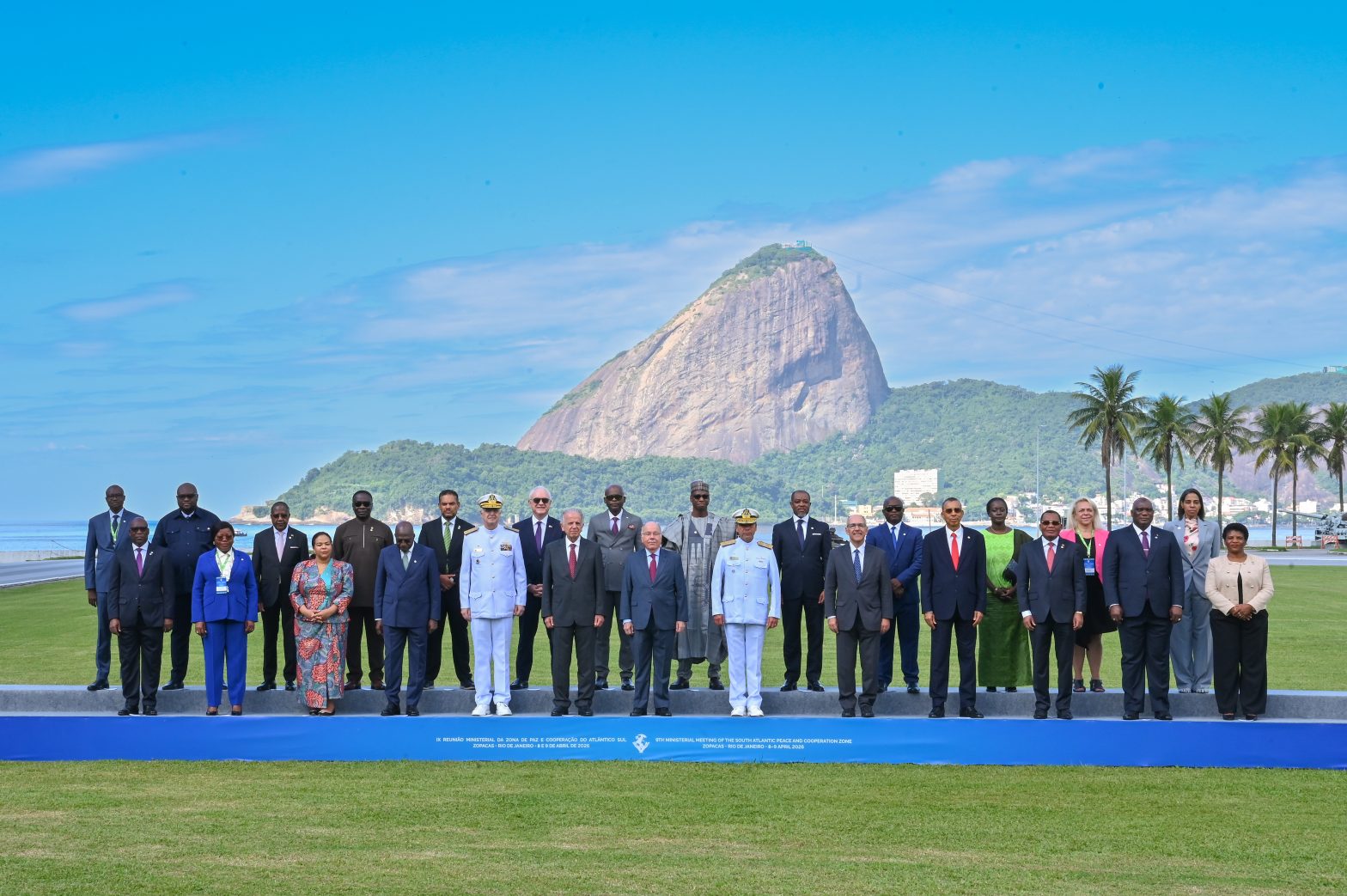
Rio de Janeiro, Brazil (8-9 April 2026) – At the beginning of April, following a very busy last few weeks hosting Part I of the 31st Council Session, I travelled to Rio de Janeiro to represent the International Seabed Authority (ISA) at the Ninth Ministerial Meeting of the Zone of Peace and Cooperation of the South Atlantic, known as ZOPACAS. As a Brazilian, there was something especially meaningful about participating in a gathering dedicated to the future of the South Atlantic and its respective 24 States from across Africa and Latin America. The South Atlantic is of strategic importance geopolitically, serving as a critical shipping alternative to the Red Sea and a major trade artery between the Americas, Europe and Asia. It is also a space in which developing coastal States have a strong stake in the evolution of multilateral ocean governance.
I was honoured to address the Ninth Ministerial Meeting and engage Member States and partners on interests concerning ocean governance, environmental stewardship, maritime affairs, scientific development and international cooperation. Please read my official statement here.
It was also a valuable opportunity for me to reinforce the importance of ISA’s mandate under the United Nations Convention on the Law of the Sea (UNCLOS), broaden ISA’s outreach, and encourage more active participation from ZOPACAS States with the Authority’s work. This includes, but not limited to, the governance of activities in the Area and reinforcing the principle on the common heritage of humankind, equitable benefit-sharing, marine scientific cooperation, and capacity-building opportunities for developing States.
My mission to Rio de Janeiro was also an opportunity to hold a series of bilateral meetings with Brazilian authorities and ZOPACAS State delegations. Each of these conversations increased understanding, encouraged new pathways toward greater cooperation, and promoted the need for more technical engagement. I would like to reflect on each of them here.
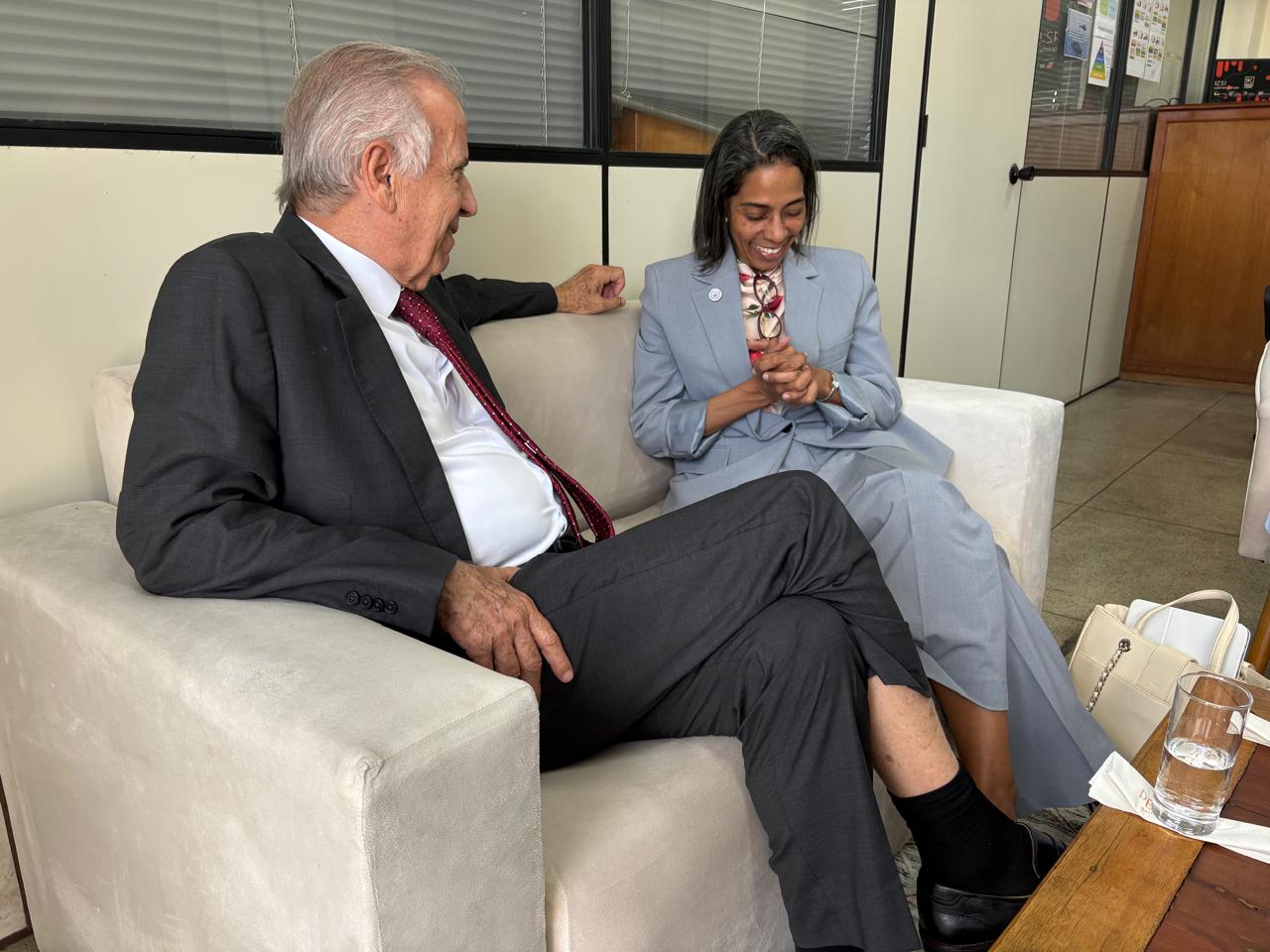
I had the honour of meeting the Minister of Defence of Brazil, José Mucio Monteiro Filho, where we discussed the strategic significance of the South Atlantic, maritime cooperation, and the importance of stable multilateral governance for common ocean spaces. It was a valuable exchange on the connection between ocean governance and security and regional stability.
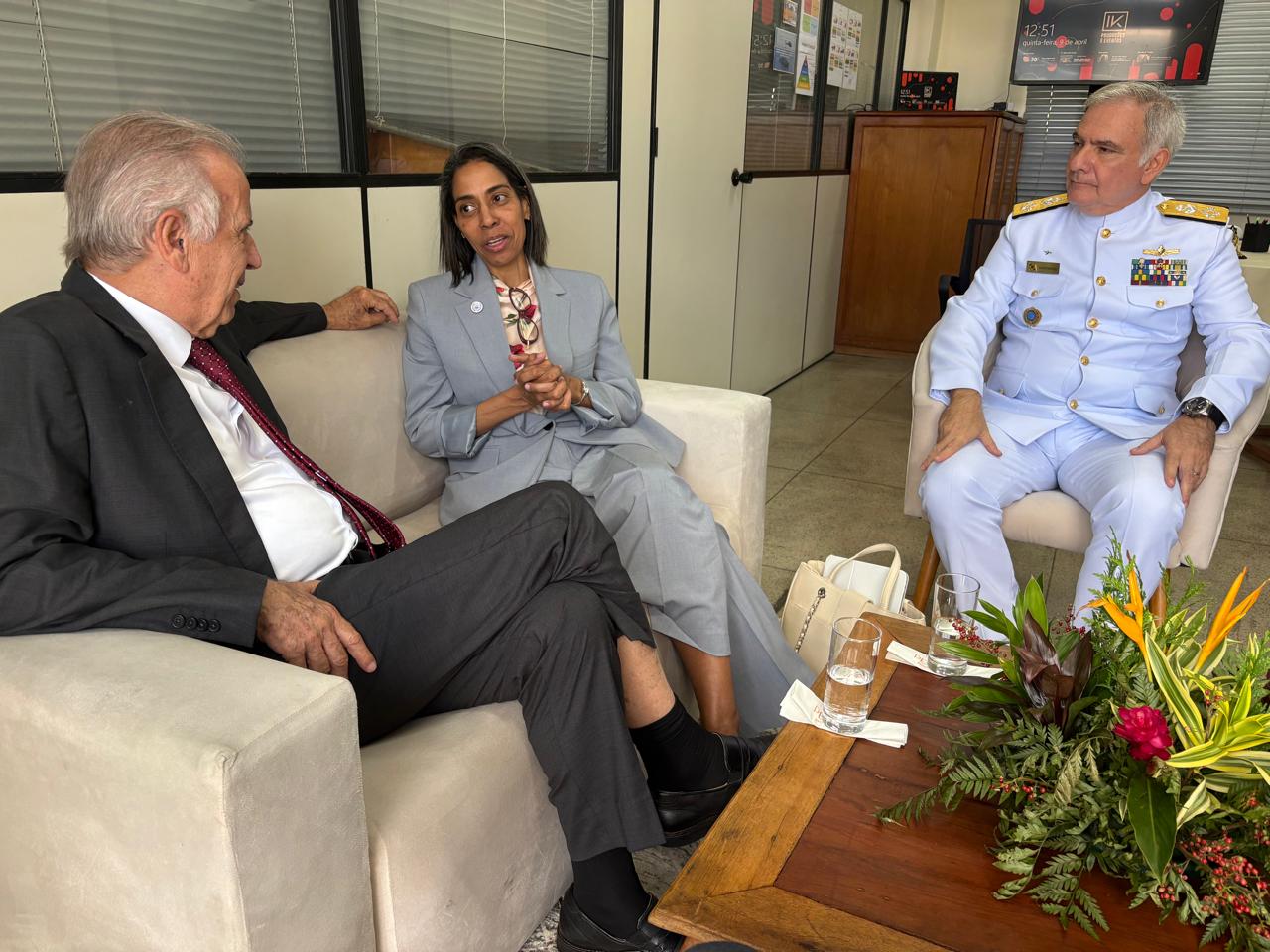
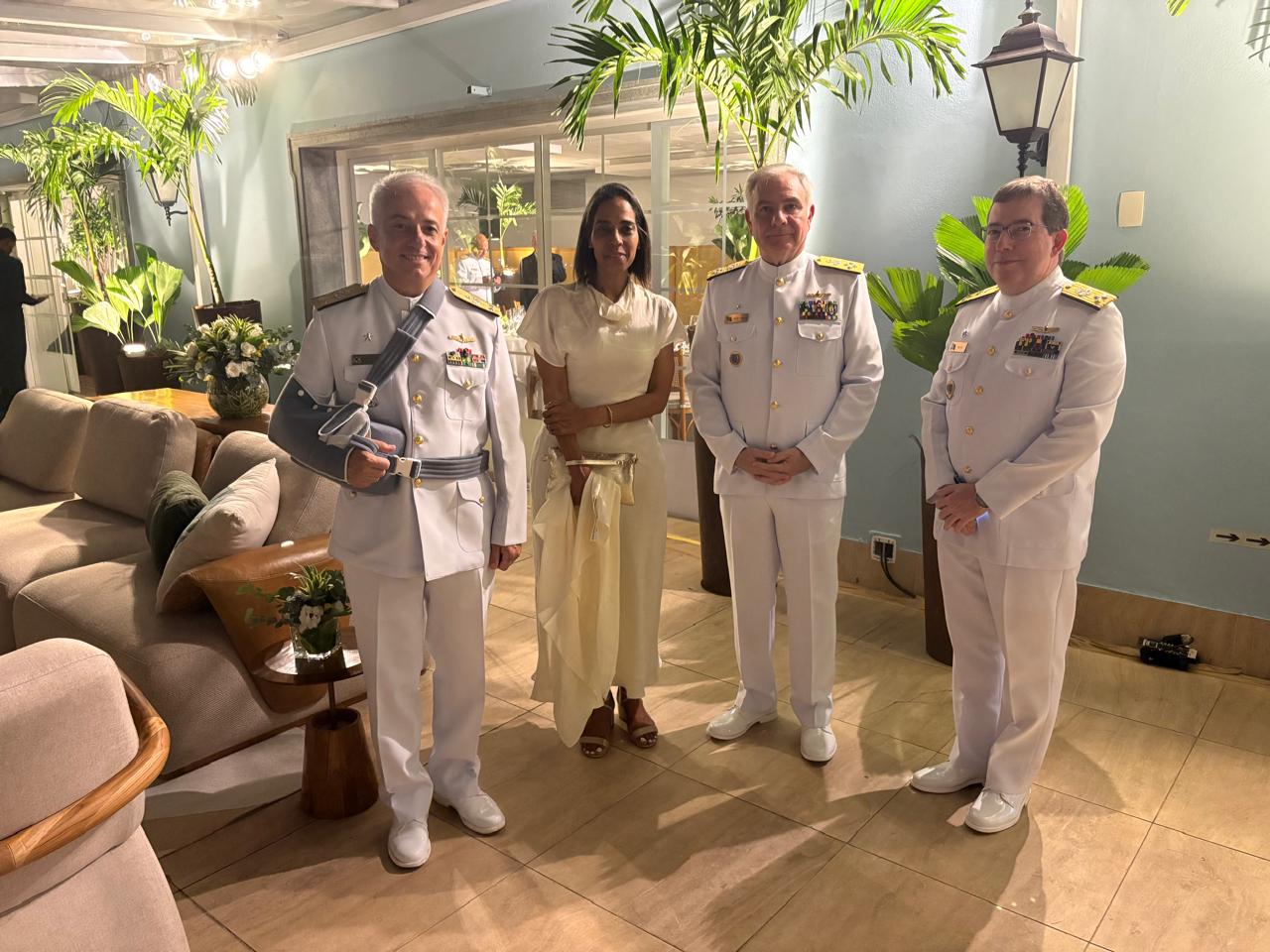
With the Commander of the Brazilian Navy, Admiral Marcos Sampaio Olsen, our conversation highlighted the importance of maritime knowledge and security and the links between sound governance, scientific understanding of the seabed, and operational expertise in marine spaces. These are areas where ISA and Brazil’s maritime authorities share common ground, and cand offer valuable learning opportunities. I really enjoyed a little reminiscing here as I thought back to my days as young oceanographer, spending more time at sea than many of the naval officers while mapping the continental shelf of Brazil to establish and define its Exclusive Economic Zone from Uruguay to the Amazon.
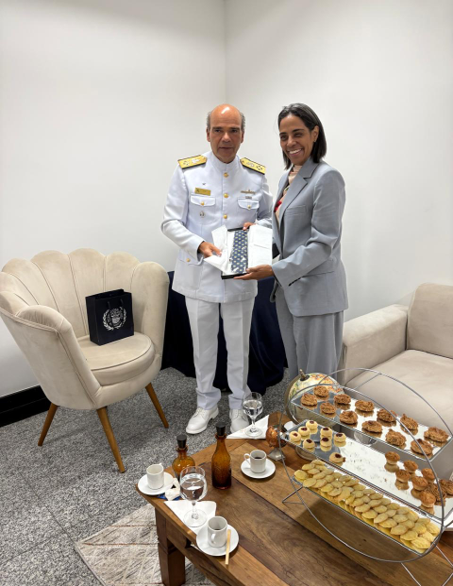
In my meeting with the Secretary of the Interministerial Commission for Sea Resources (SECIRM), Rear Admiral Robledo de Lemos Costa e Sá, I presented ISA’s mandate and current priorities, emphasizing the need to invest and expand marine scientific knowledge, capacity development and cooperation opportunities between national marine policy frameworks, seabed governance, and the sustainable management of ocean resources.
I also met with the Director of the Hydrography and Navigation (DHN), Vice-Admiral Ricardo Jaques Ferreira, to discuss the importance of hydrographic and oceanographic knowledge for evidence-based governance of marine spaces. Seabed mapping, marine data and technical knowledge, which ISA maintains through the DeepData platform, are foundational to sound institutional decision-making under UNCLOS. I was pleased to explore new areas for technical advancements.
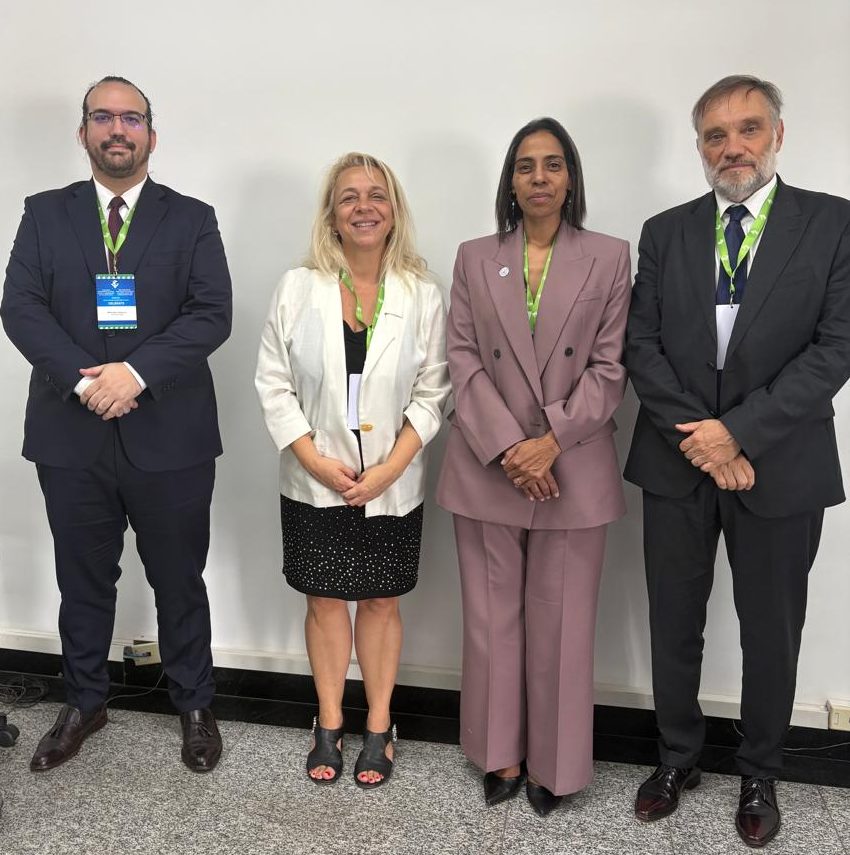
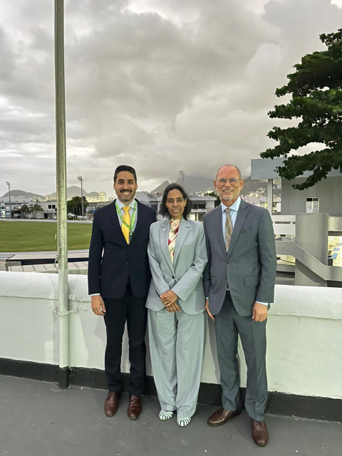
My bilateral with the delegation of Argentina, Ambassador Javier Figueroa; Ambassador Paola di Chiaro (Secretary for the Malvinas, Antarctica, Ocean Policy and the South Atlantic); and Third Secretary, Mr. Mariano Araujo, included a constructive exchange on issues related to the regulatory framework, benefit-sharing and the transition toward governance of exploitation activities in the Area following the 31st Council Session Part I. We share a commitment to the integrity of the multilateral process under UNCLOS and ensuring that the regulatory architecture remains grounded in legal clarity and the principle of the common heritage of humankind.
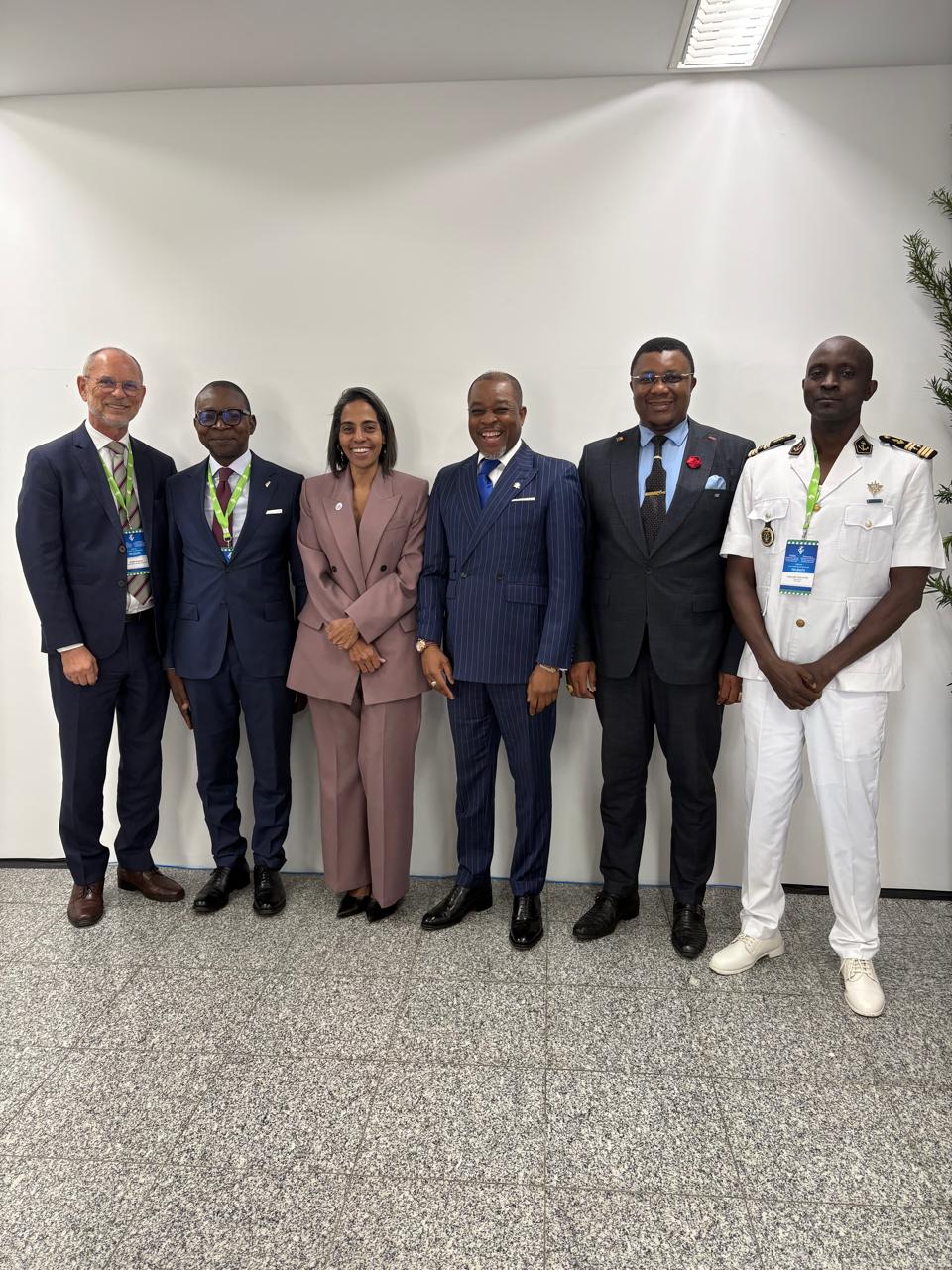
The meeting with Cameroon brought together Secretary-General of Cameroon’s Ministry of External Relations (MINREX) and Head of Delegation, Ambassador Oumarou Chinmoun; Director of the Americas and Caribbean Department of MINREX, Joseph Etoundi; Minister-Counselor of the Embassy of Cameroon in Brazil, Paulin Martial Tchenzette; and Captain of the Navy and Head of Logistics of the Cameroon Navy, Grégoire Toga Fotso. Our discussion built on the positive momentum from my recent mission to Cameroon this past February. We agreed ISA’s partnership with Cameroon is vital in encouraging greater participation of African States and delegates in seabed governance, particularly through African Academy for Deep-Sea Diplomacy (ADSEA) hosted by the International Relations Institute of Cameroon.
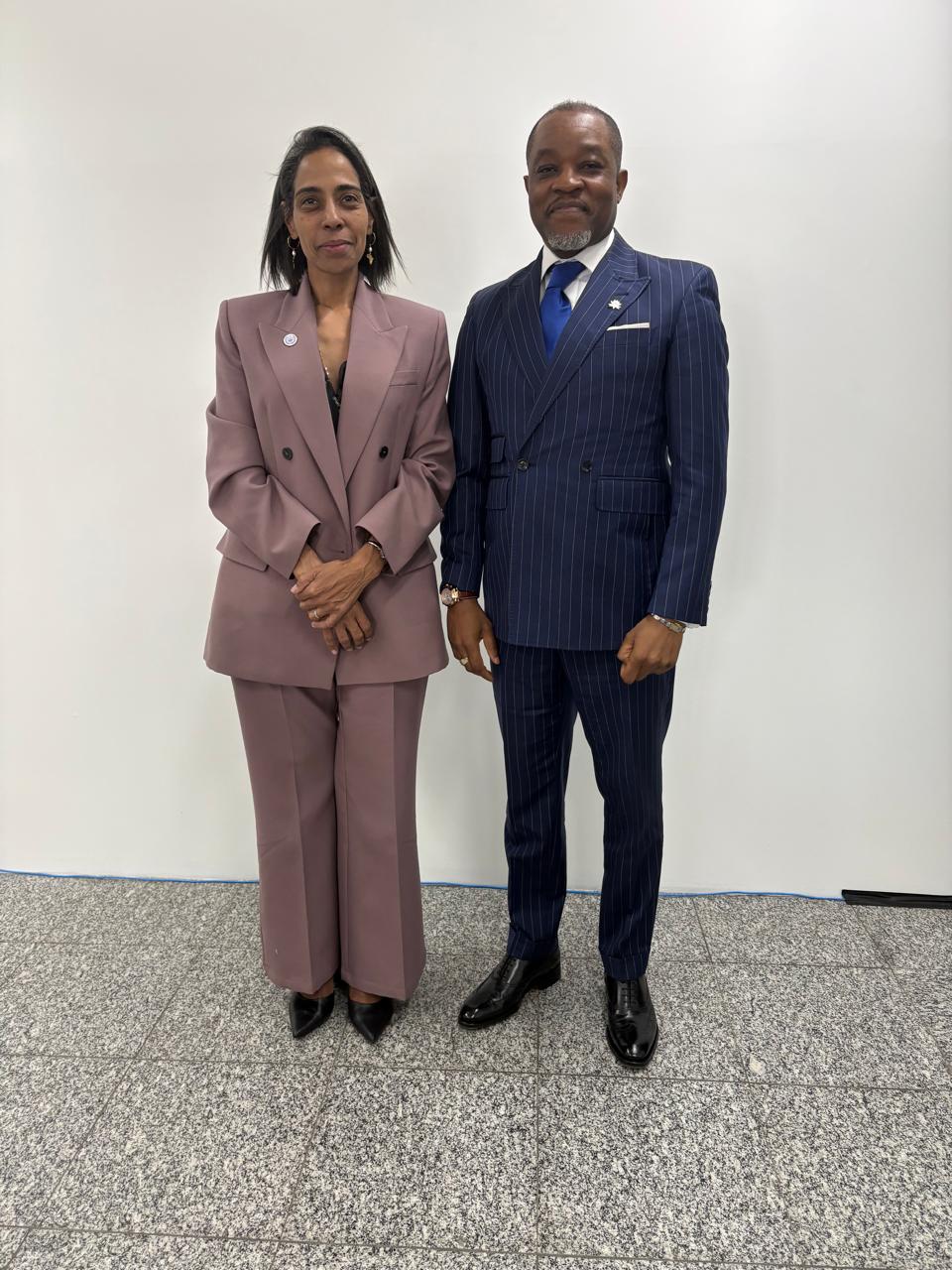
In my bilateral with the Hon. Minister Ms. Thérèse Kayikwamba Wagner, Minister of Foreign Affairs, International Cooperation, Francophonie and Congolese Abroad, we focused on the importance of strengthening the participation of African coastal States in the governance of the Area and ensuring that South Atlantic perspectives are appropriately reflected in broader international discussions on ocean governance.
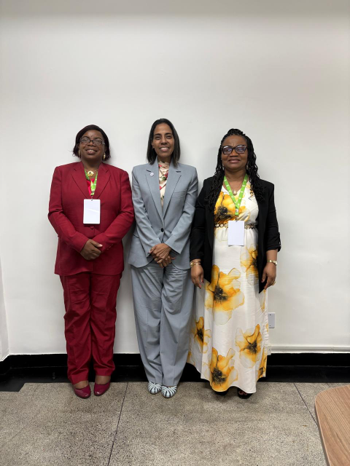
Meanwhile, my discussions with Director of Maritime Regulations and Litigation at the Ministry of Foreign Affairs, Ms. Yvonne Cécile Foh, and Cultural Advisor at the Embassy of the Gabonese Republic Ms. Nicole Noabio, focused on how offering more targeted training and capacity building opportunities could further develop Gabon’s capacities needed for more effective participation in the Authority’s work.
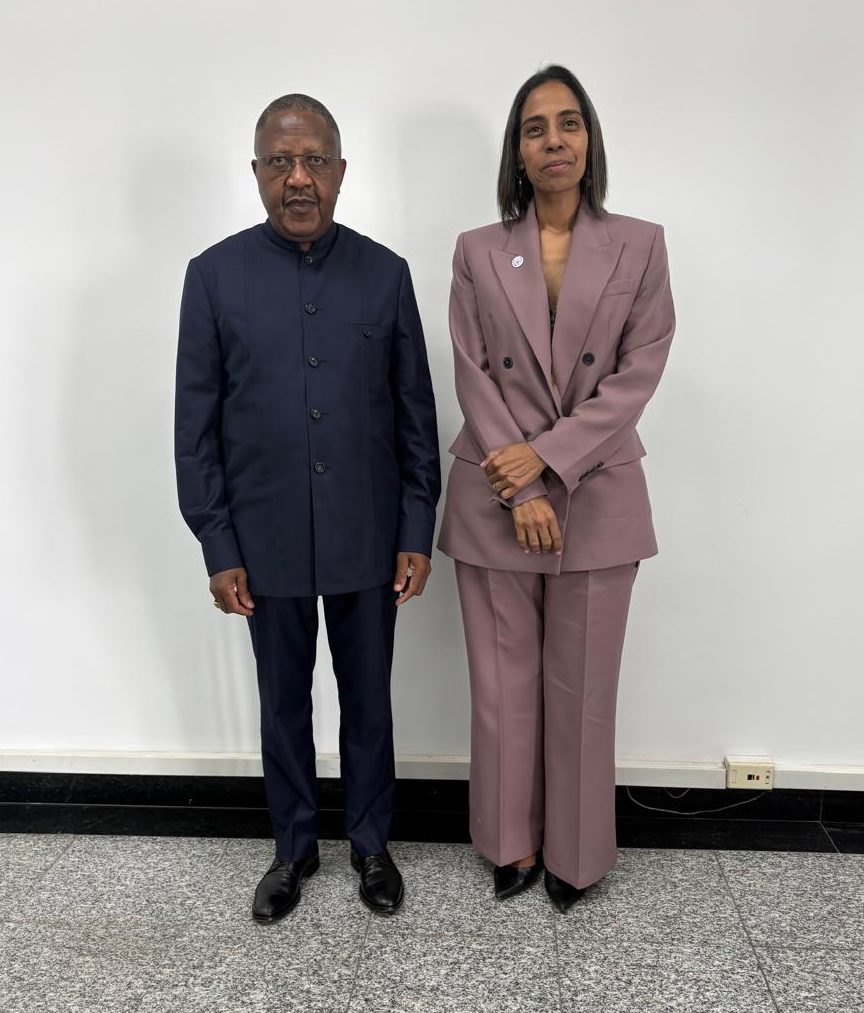
As a developing coastal State, Namibia has demonstrated a deep commitment to active and informed participation in the work of the Authority. My engagement with the delegation of Namibia including Ambassador and Permanent Representative to the United Nations, H.E. Mr. Penda A. Naanda, was particularly insightful, as we spoke about the practical importance of equitable benefit-sharing, the need to operationalize the Economic Planning Commission, and the value of capacity-building opportunities supported by contractors.
Finally, I was pleased to meet with the H.E. Minister of Foreign Affairs of São Tomé and Príncipe, Ilza Amado Vaz. We spoke about the specific vulnerabilities faced by small island and coastal developing States, and the Minister’s awareness to participate more actively in the Authority’s work and its alignment to broader ocean governance issues. With São Tomé and Príncipe’s large exclusive economic zone, there is a clear need to ensure that the country’s maritime space and its economic value are better understood. As such, we touched upon strengthening national engagement on ocean governance matters through training opportunities and other capacity building support.
This mission reinforced my understanding that ZOPACAS States are key players in deciding the future of ocean governance under the common heritage principle. Their perspectives, experiences, and capacity for cooperation matter.
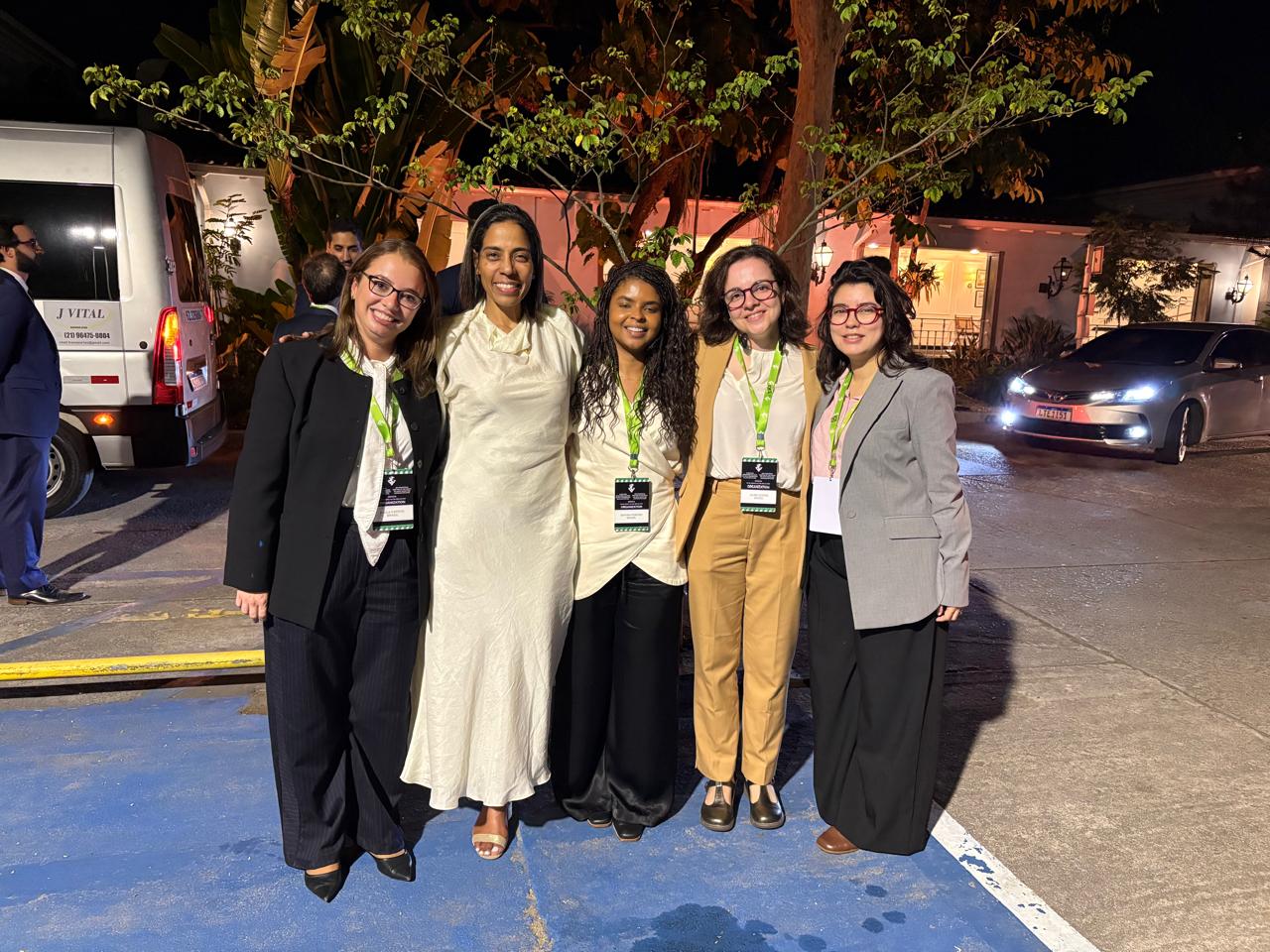
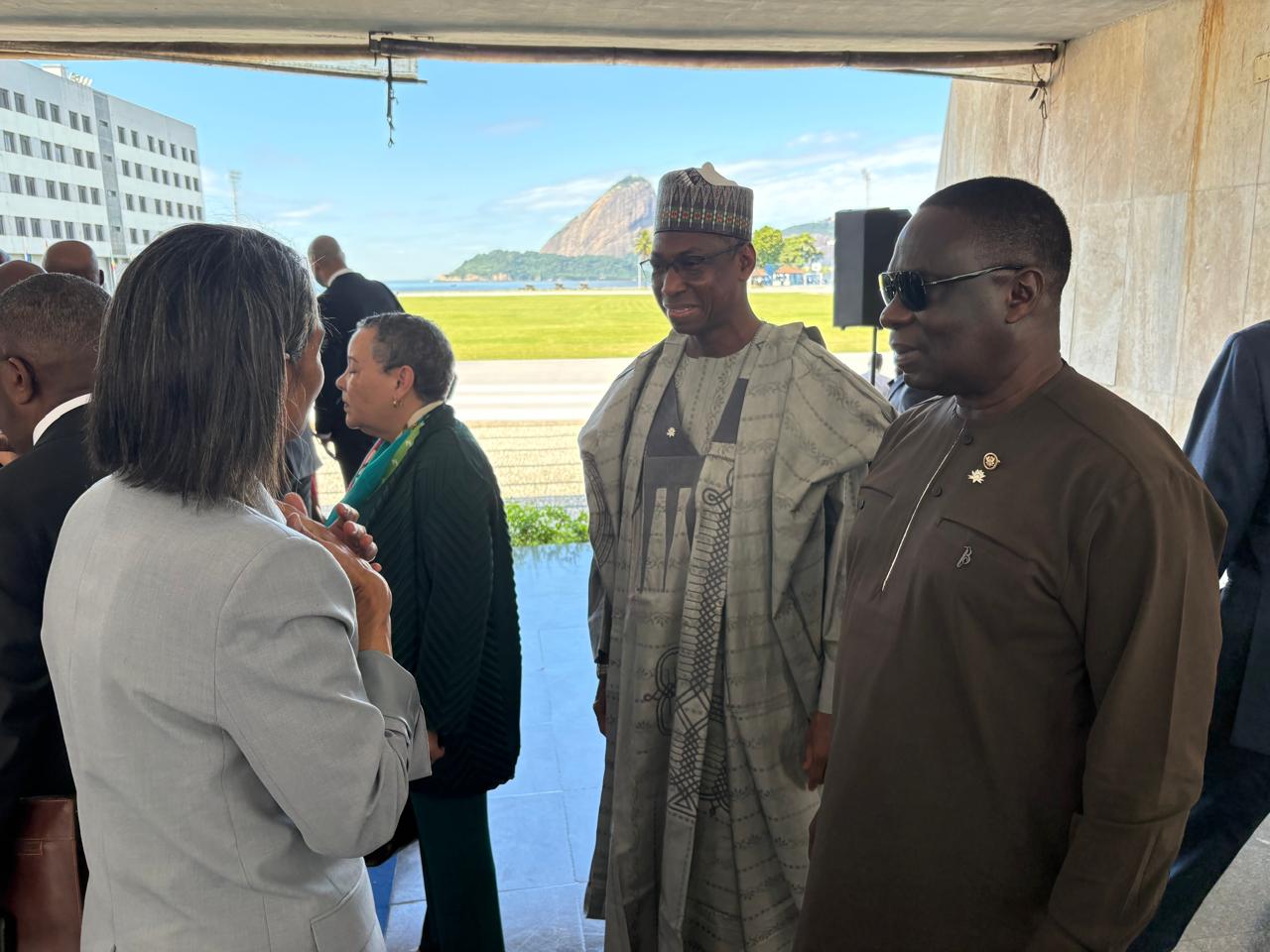
I appreciate the Government of Brazil for convening this important gathering, and I look forward to continuing many of these conversations in Jamaica during Part II of the 31st Council Session and Assembly in July.
Leticia Carvalho
Secretary-General of the International Seabed Authority