
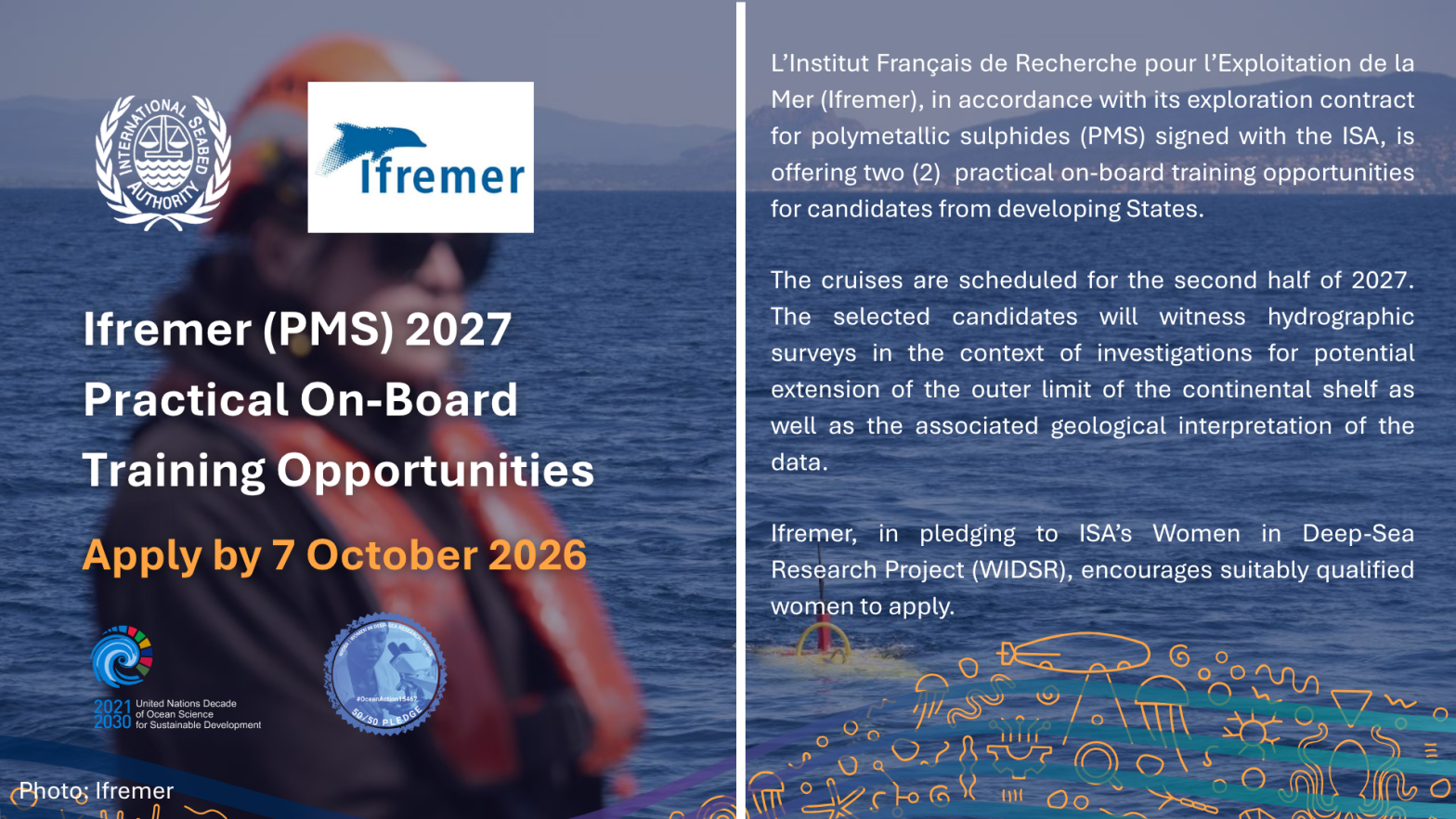
Ready to take your marine science experience aboard a research vessel in the Pacific Ocean?
News and Stories
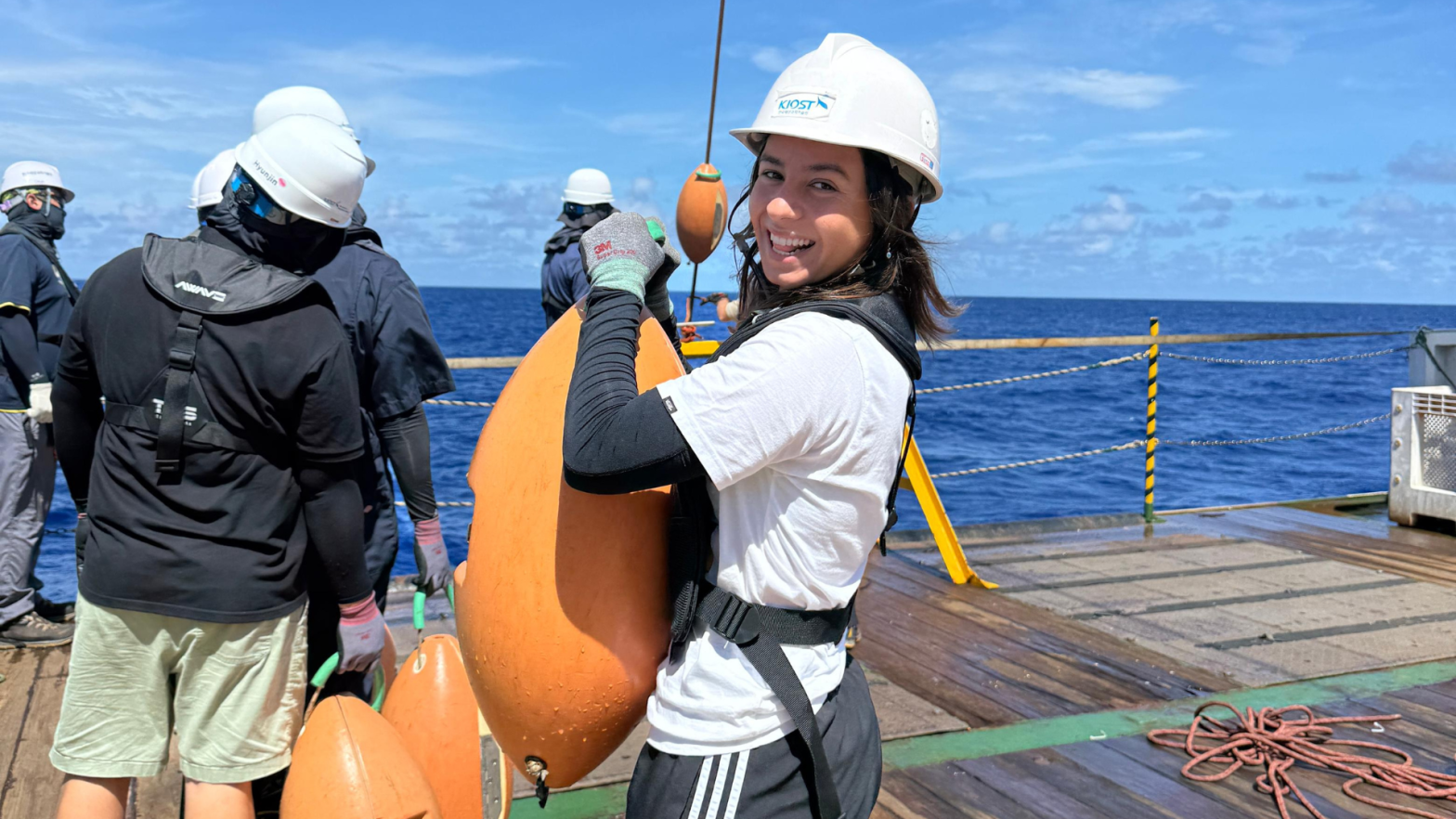
To celebrate International Youth Day, ISA announces Geologist Malena Palmieri as SHE Champion
Kingston, Jamaica (12 August 2026) – To celebrate International Youth Day, the International Seabed Authority (ISA) is pleased to announce Brazilian Geologist, Malena Palmieri, as its newest SHE Champion.
ISA celebrates four years of achievements under its Sustainable Seabed Knowledge Initiative
Kingston, Jamaica (28 July 2026) – At a side event held on Tuesday, 28 July, on the margins of the Assembly meetings, the International Seabed Authority invited Member States and stakeholders to celebrate four years of achievements under its Sustainable Seabed Knowledge Initiative (SSKI). The campaign has been made possible through the contributions of Member States, contractors, international organizations and universities serving as SSKI donors and partners.
Side event highlights ADSEA´s impact on ocean governance in Africa
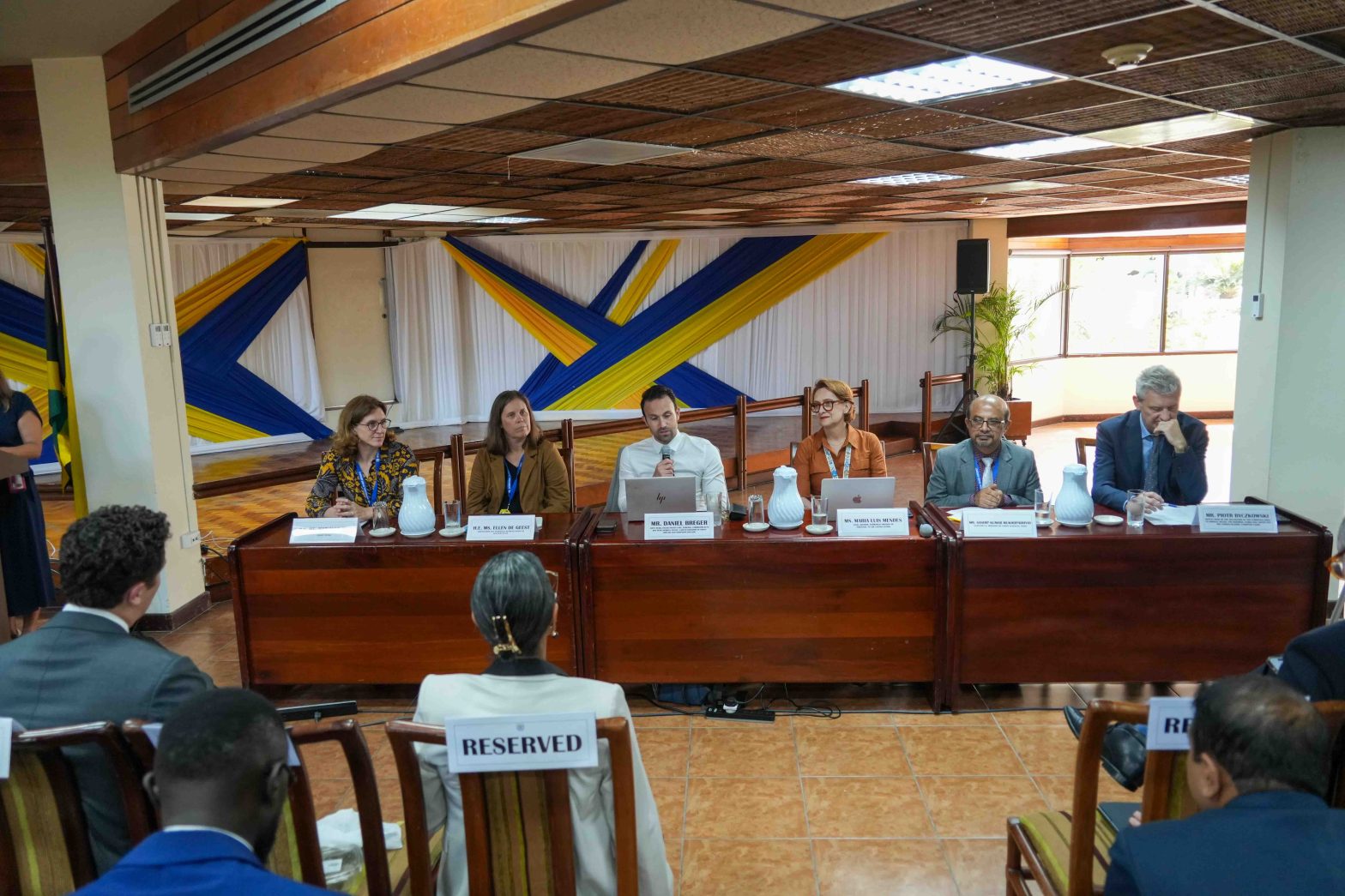
Kingston, Jamaica (29 July 2026) – The contribution of the International Seabed Authority’s African Academy for Deep Sea Diplomacy (ADSEA) to strengthening leadership in ocean governance across Africa was the focus of a side event during the margins of the 31st Session of the ISA Assembly.

ISA Launches Gender Compact to Advance Women’s Leadership at Sea
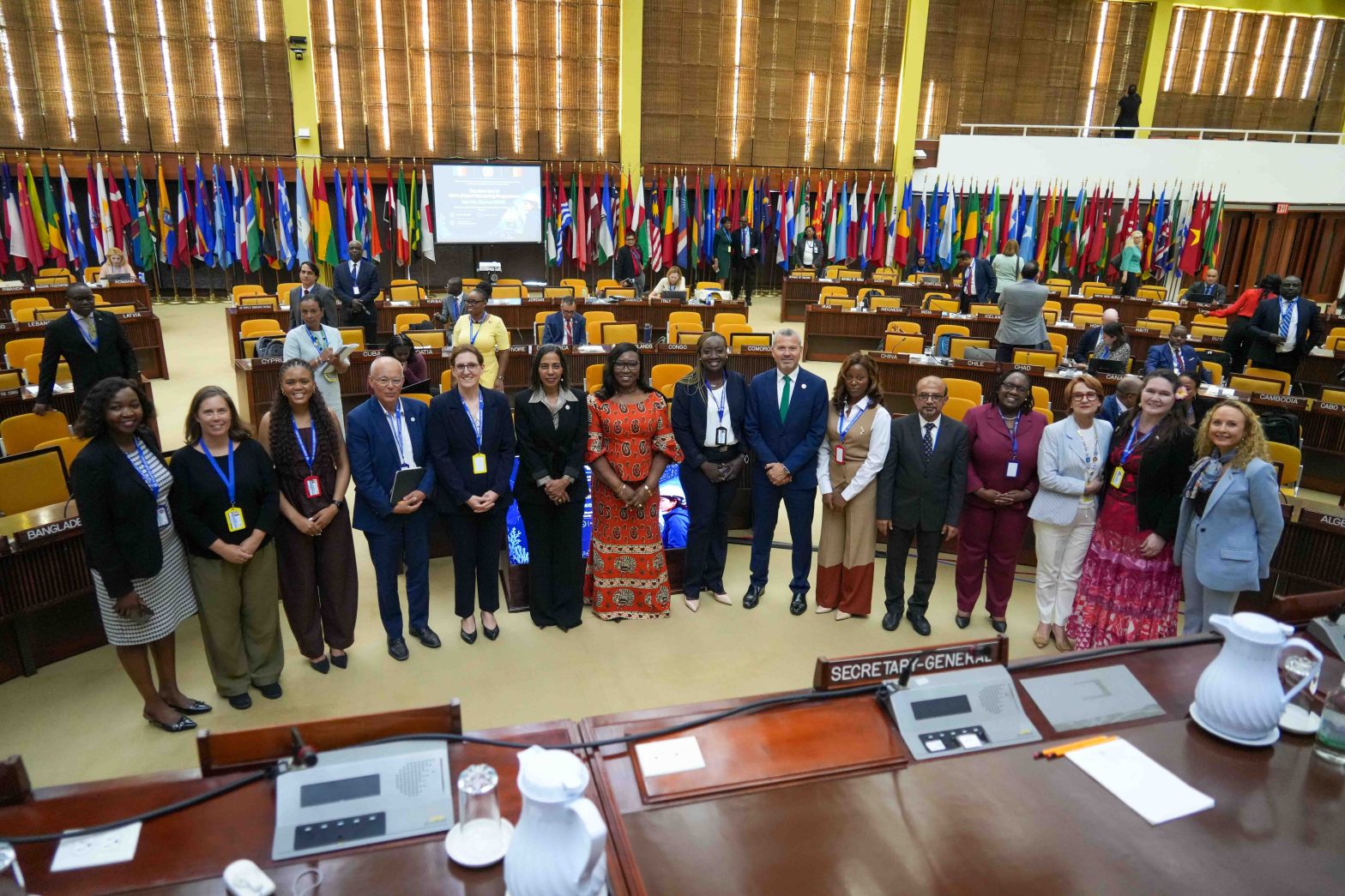
Kingston, Jamaica (27 July 2026) – The International Seabed Authority (ISA) marked a new chapter for its See Her Exceed (SHE) global mentorship programme by announcing three initiatives: the SHE Gender Compact, the SHE Law of the Sea, and the second phase of SHE Science.
2nd edition of Deep Sea Dialogues explored science, economics and governance of the Area
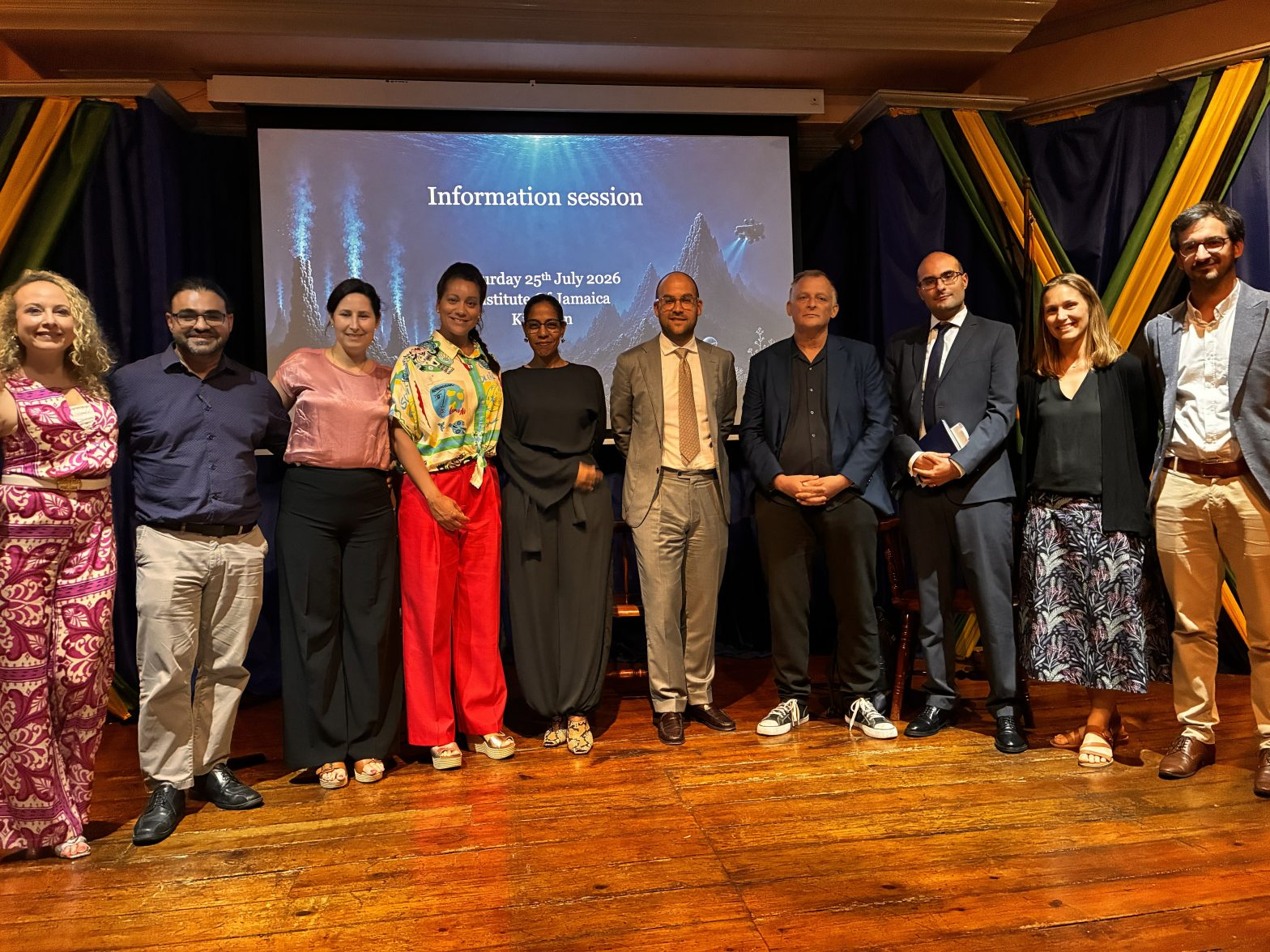
Kingston, Jamaica (25 July 2026) – The second edition of the Deep Sea Dialogues brought together experts, observers and civil society organizations for an afternoon of rich conversations at the Institute of Jamaica in Kingston.
Drawing on the wisdom behind UNCLOS: An exchange with Judge Patrick Lipton Robinson
Kingston, Jamaica – It was a privilege to welcome His Excellency Judge Patrick Lipton Robinson to the headquarters of the International Seabed Authority in July 2026 for an informal and thought-provoking exchange on the origins, principles and continuing relevance of the United Nations Convention on the Law of the Sea (UNCLOS).

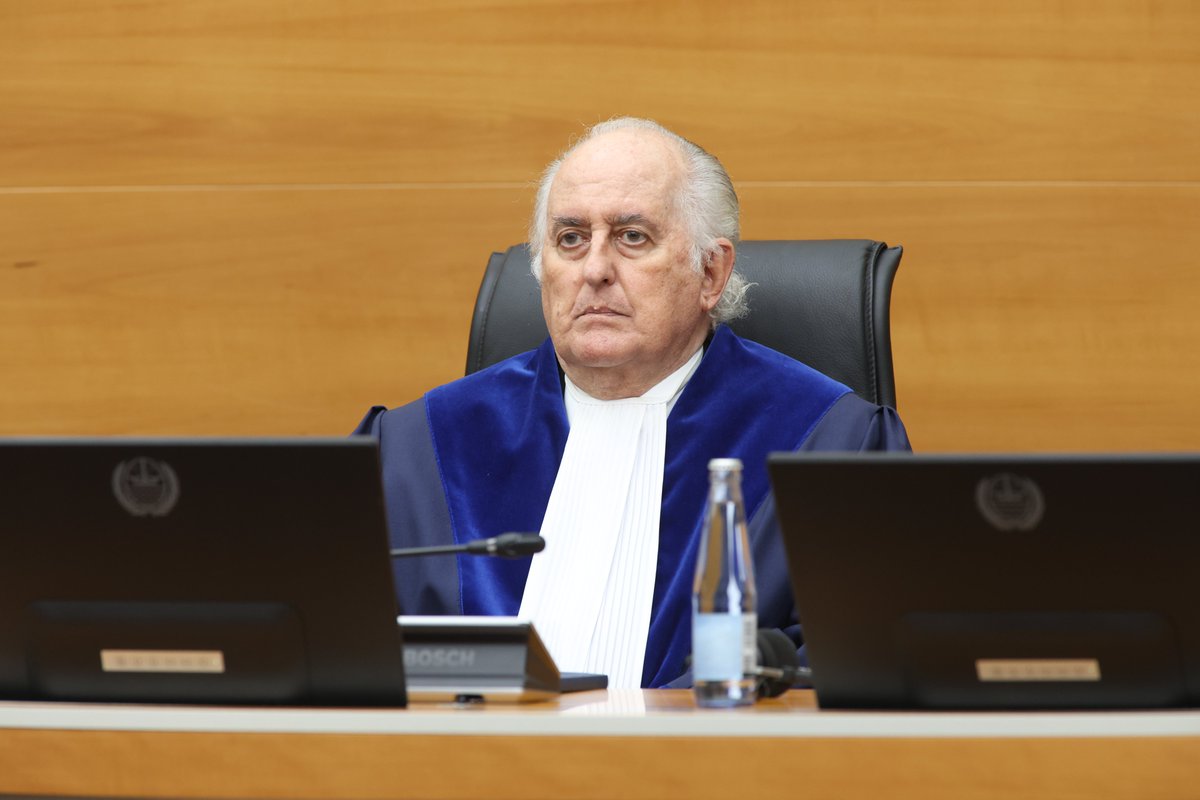
In Memoriam: Judge Alonso Gómez-Robledo Verduzco
Kingston, Jamaica – 20 July 2026 – It is with profound sadness that I learned of the passing of Judge Alonso Gómez-Robledo Verduzco of Mexico on 16 July 2026.
Statement on the orders delivered by the Seabed Disputes Chamber of the International Tribunal for the Law of the Sea
The Authority has taken careful note of the provisional measures orders made by the Seabed Disputes Chamber of the International Tribunal for the Law of the Sea on 18 July 2026 in the claims brought by Nauru Ocean Resources Inc and Tonga Offshore Mining Ltd.