
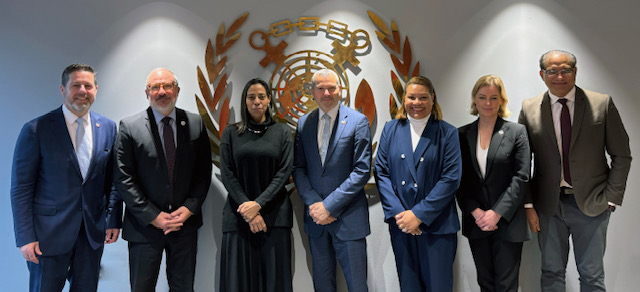
Kingston, Jamaica – 27 March 2026 – As I enter year two of my tenure as ISA Secretary-General, I feel that 2026 is off to a promising start, combining focused ambition, a spirit of collaboration, and principled pragmatism. These principles are guiding my engagement with Member States and how I am organizing the work of the Secretariat. This aim is part of a broader effort to explain why we consider the framework ready for consolidation to ensure that the ISA can deliver its unique role as guardian and steward of the deep seabed. The focus is on coalescing progress towards completion of the legal framework to make the system operational and coherent, delivering for multilateralism and the promise of the common heritage of humankind. Just having closed Part One of the 31st Session, I firmly believe that we saw these principles playing out in the negotiations and I am very pleased with the progress made. Please read my Council closing remarks here.
In preparation for Council, I met with Member States and a variety of stakeholders in London, Geneva and Brussels to hear from them on perspectives about opportunities and concerns. One point of discussion was that 2026 is a pivotal year in that the ISA’s work on the exploitation regulations is taking place in a wider United Nations Convention on the Law of the Sea (UNCLOS) context in which another governance process, the Agreement on Marine Biological Diversity of Areas Beyond National Jurisdiction (BBNJ), is becoming operational at the same time. In this setting, it is important that the governance of the deep seabed does not remain structurally incomplete or disconnected from the rest of the system. Leaving one part of the UNCLOS systems unfinished would create real risks, including the fragmentation of rules, legal uncertainty, and incoherence across areas beyond national jurisdiction. These risks will affect States and the environmental protection and safeguards that the treaty demands as well as the industries that need clarity, predictability and legal certainty in order to plan, insure, finance, and invest responsibly — in marine scientific research and in technological advancement. Importantly, completing the framework establishes the conditions of clarity, predictability, and control under which exploitation can be responsibly considered and assessed. It ensures that rules, safeguards and oversight mechanisms are clearly defined and operational, giving all stakeholders confidence that decisions will be taken within a stable, well-governed and collective system. Let’s face it, we cannot effectively protect the water column in areas beyond national jurisdiction if we do not have the rules laid out for the seabed that covers more than 50 percent of our oceans.
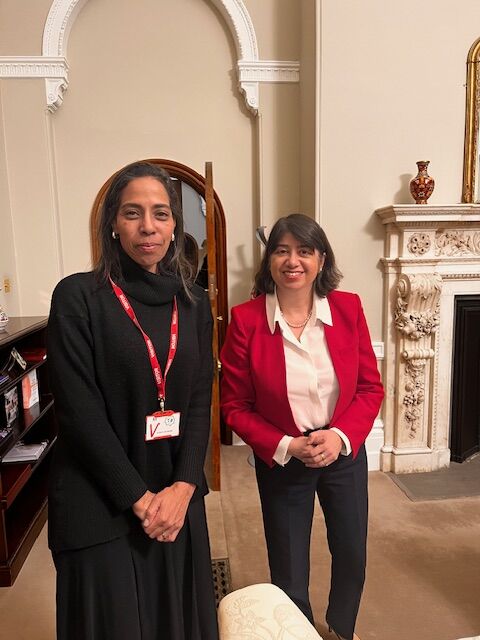
In the United Kingdom (UK), I had the honour of meeting with Excellency Ms. Seema Malhotra, Under-Secretary of State for Equalities and the Foreign, Commonwealth and the Development Office, and Mr. Jonathan Hollis, UK’s Head of Delegation to ISA, to advance dialogue on ocean governance, environmental protection, and regulatory cooperation in areas of shared interest. I expressed my thanks for the UK’s continued participation in the Friends of the President’s Group, and we discussed the importance of maintaining momentum toward the adoption of the exploitation regulations. We also exchanged views on the evolving international governance landscape, including the implementation of the BBNJ Agreement, and the need to ensure complementarity between regimes operating in areas beyond national jurisdiction. I welcomed the UK’s strong interest in supporting constructive progress within the Council and its continued leadership on key issues related to the sustainable management of seabed resources.
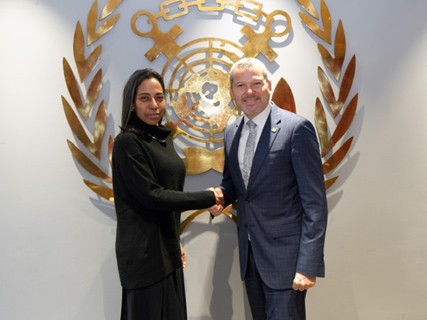
At the International Maritime Organization (IMO), I had the honour of meeting with H.E. Mr. Arsenio Dominguez, Secretary-General of the IMO, together with senior members of his team. Our discussion focused on the importance of close coordination between our organizations on issues where our respective mandates intersect, particularly in relation to vessel operations, safety at sea, and the evolving regulatory landscape for activities in areas beyond national jurisdiction. I took the opportunity to brief him on ISA’s Women in Deep Sea Science and S.H.E. initiative (See her Exceed), as well as a Gender Charter that is in final stages of development and will help ensure the full, safe and successful participation of women in deep sea research and activities. We also exchanged views on the broader international ocean governance framework, including the implementation of the BBNJ Agreement, underscoring the need to ensure complementarity and clarity between the roles of different institutions. I welcomed the strong willingness expressed by the IMO to continue deepening practical cooperation and dialogue on matters of shared interest.
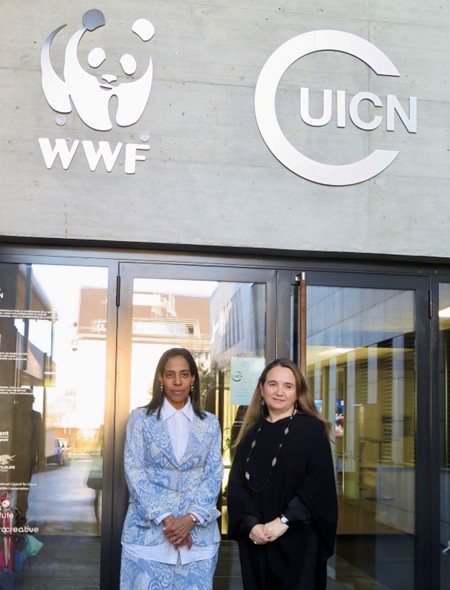
Our next stop was to Geneva, where we had the pleasure of meeting Dr. Grethel Aguilar, Director General of the International Union for Conservation of Nature (IUCN), and her team at their headquarters, including my longtime colleague and friend, Minna Epps, Global Ocean Policy Director. I was very touched at the idea that as recently appointed Heads we could set the relationship representing a new era of leadership for our organizations with women from the Global South at their helms. We spoke at length about the opportunities to coalesce around shared goals for delivering on the recent adoption of the BBNJ Agreement and the mandate of ISA. We also discussed collaborative opportunities to engage with the impressive network of 19,000 experts, especially in the field of marine scientific research and aspects of the Standards and Guidelines that could benefit from the scientific rigor and expertise of IUCN Members. The importance of maintaining a precautionary principle approach to the development of ISA’s regulatory framework was a shared view. I highlighted that the work of contractors is at the very foundation of the science delivered by ISA, science that will benefit all governance of areas beyond national jurisdiction, and that this is at risk with the current uncertainty on whether ISA will be able to deliver a Mining Code. Respectfully, I also took the opportunity to say that in the current context I believe the moratorium position that is stated in the IUCN Resolution from 2020 is now counterproductive because it takes money away from scientific research into deep sea ecosystems and delays the Authority from establishing strict environmental standards.
We agreed to continue the work started at the 30th Session Assembly in which ISA engaged with several nongovernmental partners, including IUCN, to interrogate tricky questions related to the economics, science and legal matters related to deep-sea mining and brought those perspectives to Assembly, widening stakeholder and Member State participation in these debates. Building on that momentum, ISA’s engagement at the IUCN High Seas workshop on Area‑Based Management Tools (ABMTs) helped clarify ISA’s mandate to regulate mineral‑related activities in the Area with environmental protection at its core and reaffirmed that cooperation with BBNJ should be anchored in the Agreement’s non‑undermining clause. Across plenaries, practical cooperation spotlights, and interactive breakouts on operationalizing ABMTs in Areas Beyond National Jurisdiction (ABNJ), we mapped concrete touchpoints for collaboration, particularly around Regional Environmental Management Plans (REMPs) and ABMT‑relevant science, standards and monitoring. These exchanges reinforced that complementarity, but not competition, between ISA and BBNJ will yield better outcomes for science‑based management and responsible use of ocean resources.
I very much look forward to our teams defining more specifics around how our organizations can work together to optimize impact for our respective mandates. It was very clear that we have much to benefit through closer collaboration.
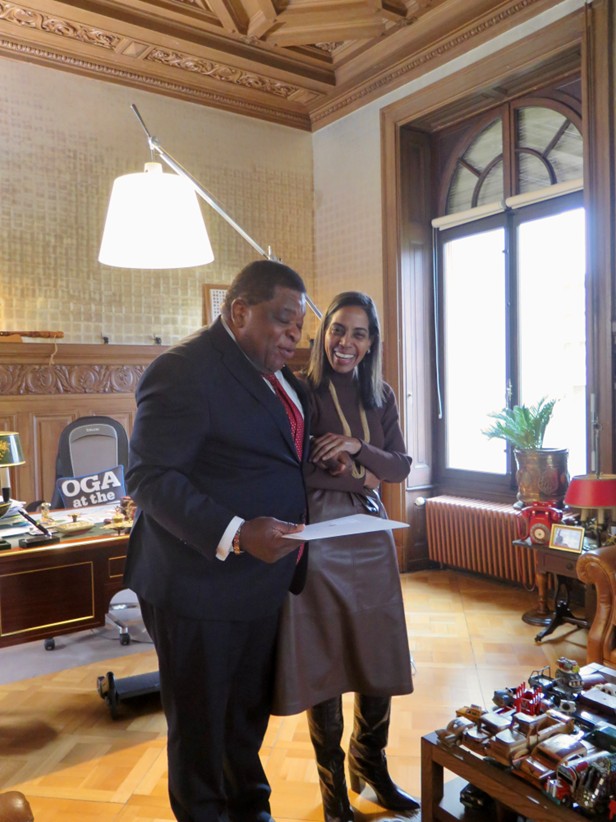
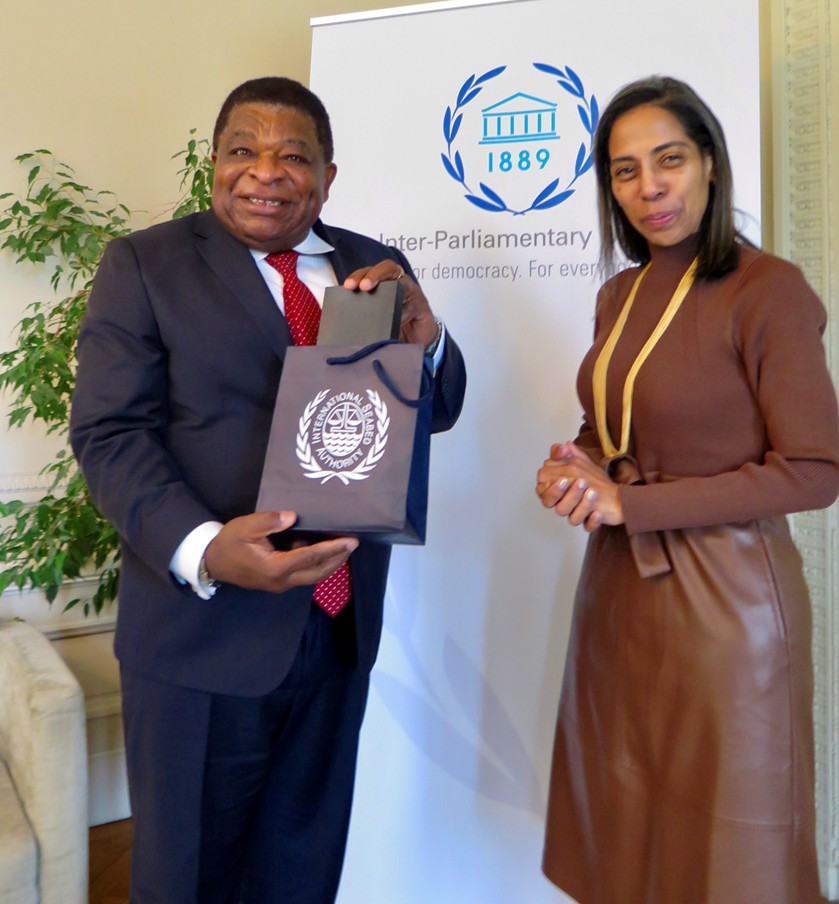
In the fall of 2025, I was invited to join the International Gender Champions (IGC). While in Geneva, I was hosted by Mr. Martin Chungong, Chair of the IGC Global Board and Secretary General of the Inter-Parliamentary Union (IPU). I valued his lovely words on our personal areas of commonality, both being pioneers of sorts, as he is also the first non-European to lead the IPU Secretariat. Mr. Chungong hails from Yaoundé, Cameroon where I recently opened the first African Academy for Deep Sea Diplomacy (ADSEA). He expressed great pleasure in the important role that Cameroon plays in ISA participation and capacity building efforts. He remarked that the IGC is a meaningful platform to deliver measurable change in empowering women leaders and invited me to host a discussion amongst the group on ocean governance, as well as raising awareness of parliamentarians on the ISA mandate, which I very much look forward to doing over the coming year. I also briefed him on S.H.E that will be part of my commitment in my role as Gender Champion. Mr. Chungong generously offered the full support of the IPU and IGC to advance our work, including through helping to engage Small Island Developing States. I believe this new partnership will yield great results in both raising awareness of the ISA mission and introducing ISA to a new network of parliamentary experts who can advance understanding of ISA’s importance in legislative circles. I am very eager to further explore the potential of this nexus of gender, ocean governance and the parliamentary community.
We wrapped up the Geneva meetings with the opportunity to participate in a panel hosted by the Geneva Environment Network (GEN). The panel, organized by Ms. Diana Rizzolio, Coordinator for GEN, included moderator, Mr. Adrin Studer, from Switzerland’s Federal Department of Foreign Affairs and participants, Ms. Astrid Puentes, UN Special Rapporteur on the Right to a Healthy Environment; Mr. Dario Liguti, Director of Sustainable Energy at the UN Economic Commission for Europe (UNECE); Ms. Minna Epps, Director of Global Ocean Policy at IUCN; Mr. David Vivas Eugui, Chief of the Ocean & Circular Economy Unit at UN Conference on Trade and Development (UNCTAD); and Ms. Jessica Battle, Lead of the Deep Seabed Mining Initiative at World Wildlife Fund (WWF).
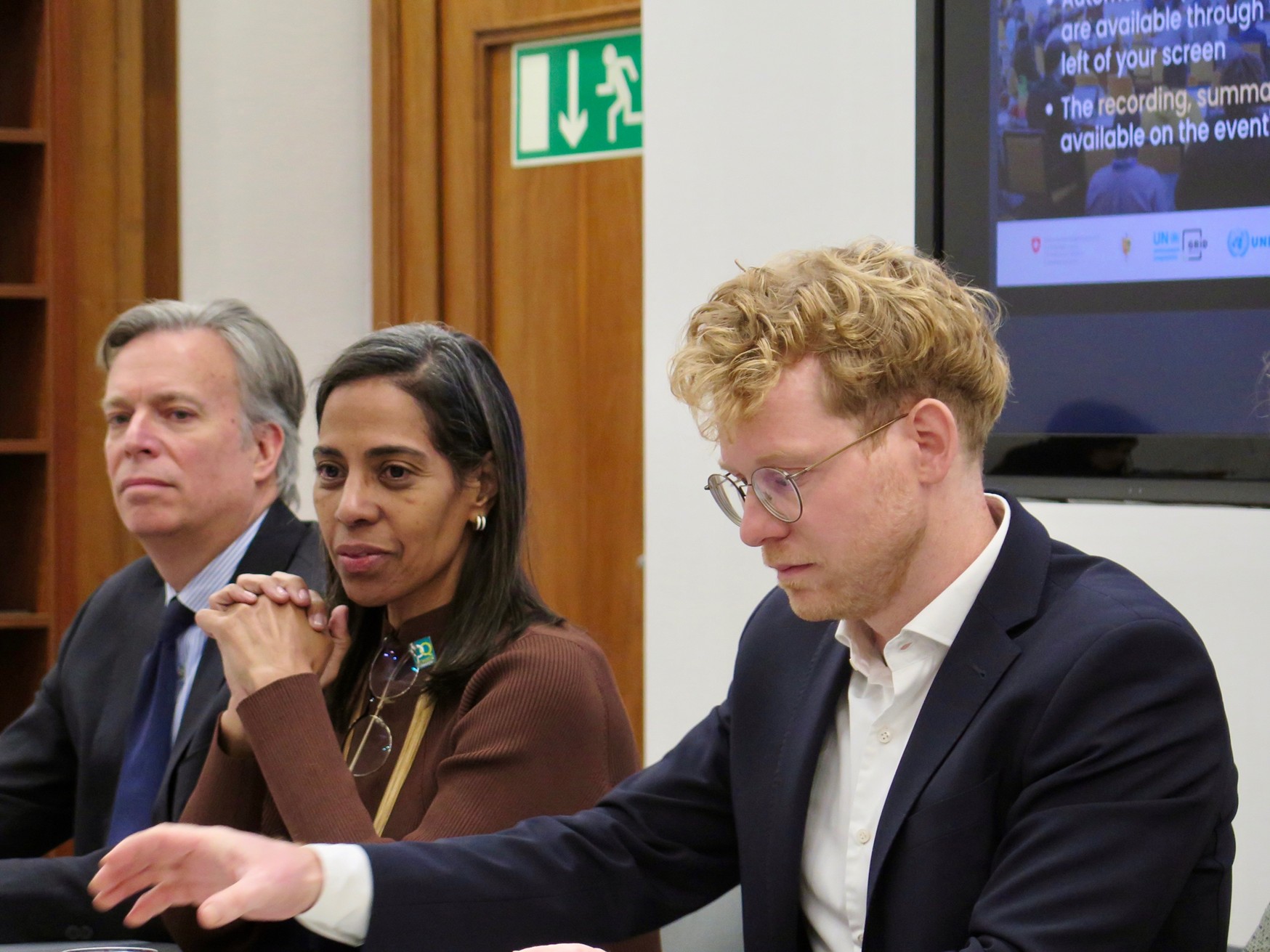
I felt that the presentations, discussion and questions and answers were highly valuable and productive. I agree with my colleague from UNECE that the quest for energy security and national interests are competing with the goal of energy sustainability. To this point, whether we agree or disagree, I believe that current geopolitics are shaping how we must respond to ensure that multilateralism prevails over multipolarism. I also agree that not making progress leaves a vacuum for bad actors. But to emphasize again, this does not mean a less robust structure but one that calls for focused ambition.
I feel that this forum provided a moment to build understanding amongst this important community on why I feel that the time for debate about whether or not to adopt a set of robust Rules and Regulations is over.
Let me restate this is not about whether or not mining should occur. I do not see who benefits from not having robust rules. We need safeguards within a legal framework; and as an evolutionary principle is embedded in ISA’s mandate, the Standards and Guidelines that will operationalize the regulations will, by imperative, be iterative as we learn more through pilot projects as well as scientific and technological advancements.
As I have said before, being able to make the rules before activity starts is unique in human history and a benefit that we will lose if we keep delaying due to ideologies over whether deep-sea mining should ever take place. From my perspective, completing the framework is in the interest of all stakeholders. For Member States, it secures control, equity and effective environmental protection under internationally agreed rules, thereby upholding the principles of intergenerational equity and environmental protection to which the global community aspires. For the Authority, it safeguards institutional credibility and the ability to exercise its mandate transparently and for common heritage of humankind. And for companies, it provides the legal certainty, predictability and level playing field needed to make long term investment decisions, including for marine scientific research, under internationally agreed conditions. I very much value all the recommendations and contributions of the participants and look forward to their continued participation in the ISA process.
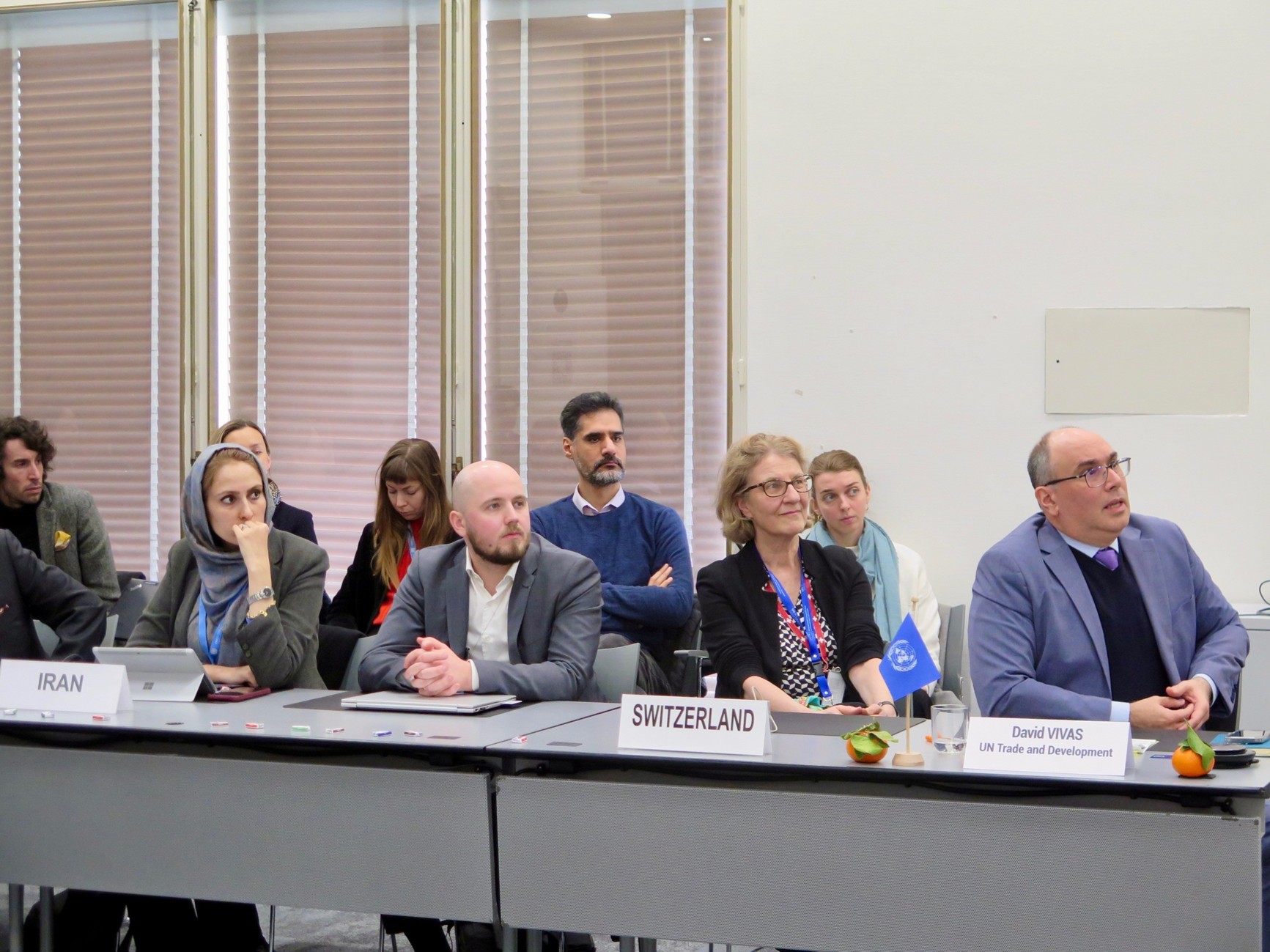
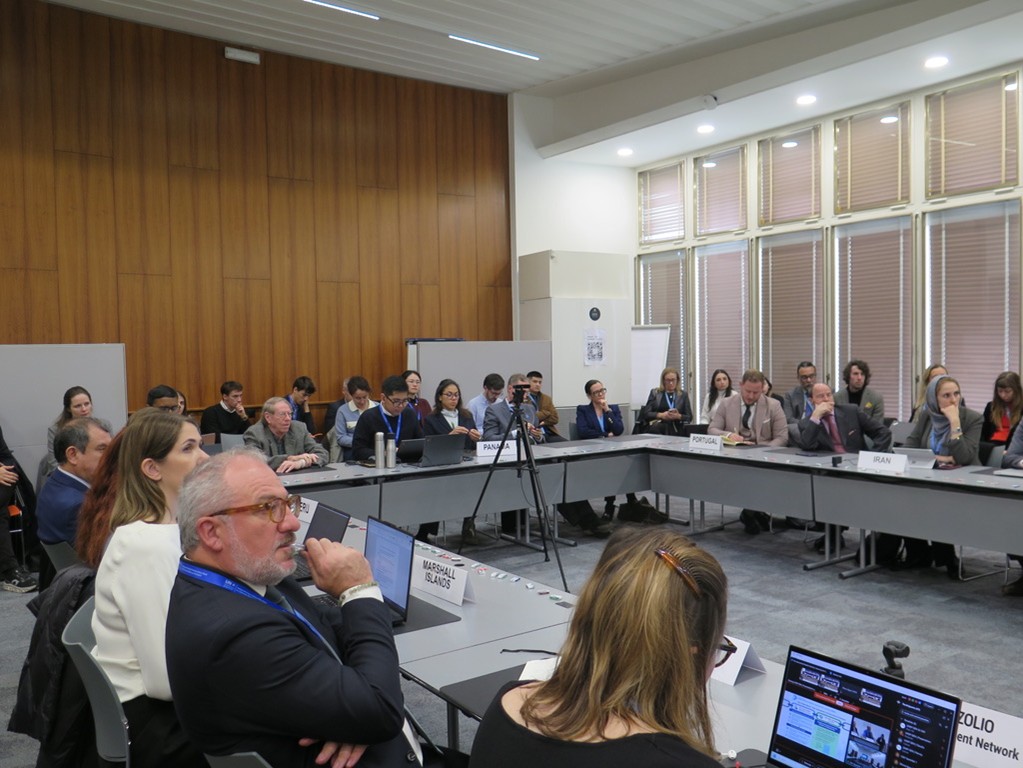
Last but by no means least, our meeting with the Deputy Secretary-General of UNCTAD, Mr. Pedro Moreno, and his team was a great end to a great mission. Mr. Moreno pointed out that as UNCTAD is now the co-chair of the UN Task Force on Critical Energy Transition Minerals, there are be a number of synergistic areas to explore as well as on partnership at the intersection of trade, development and the regulatory chain; I noted that the eventual Economic and Planning Commission would be a natural UNCTAD fit for cooperation. Mr. Moreno also highlighted that UNCTAD has both the technical expertise and political platform to support engagement of the Global South, Least Developed Countries, Landlocked Developing Countries, and Small Island Developing States. Further, that the UNCTAD mandate expressly mentions the enforcement of maritime commitments that will eventually be needed to fulfill ISA’s mandate. We agreed to have our technical teams map concrete and meaningful activities for collaboration that could be explored through an MOU, upon approval of the Assembly.
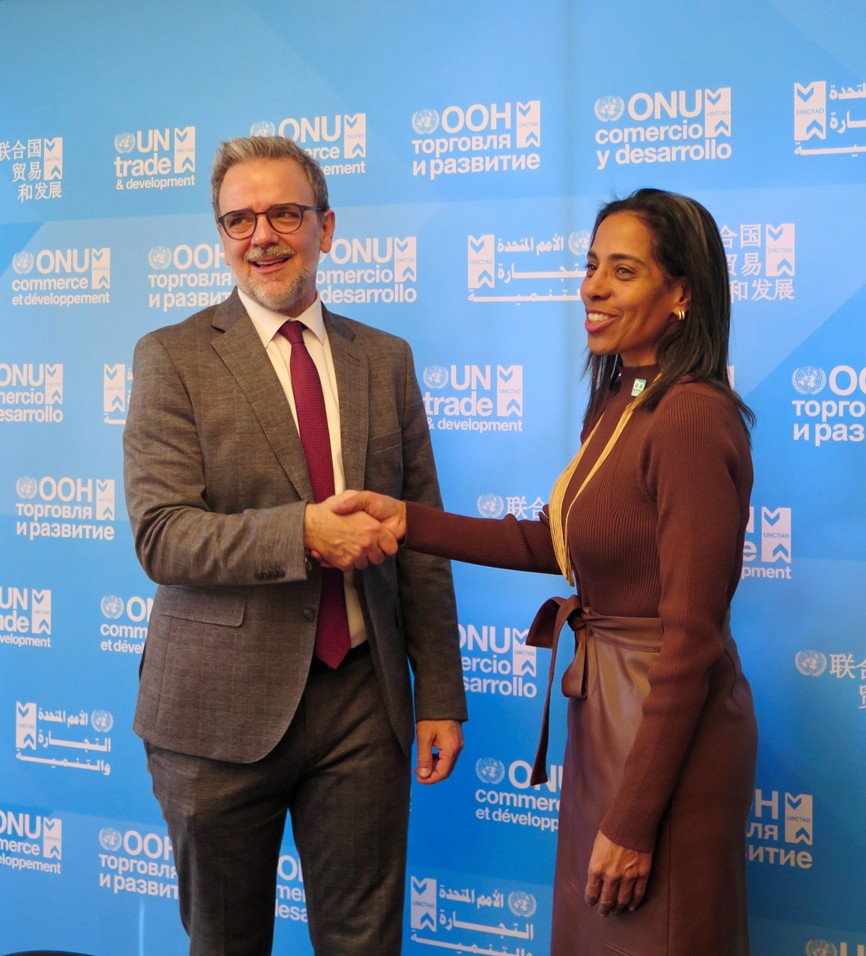
Leticia Carvalho
Secretary-General of the International Seabed Authority