
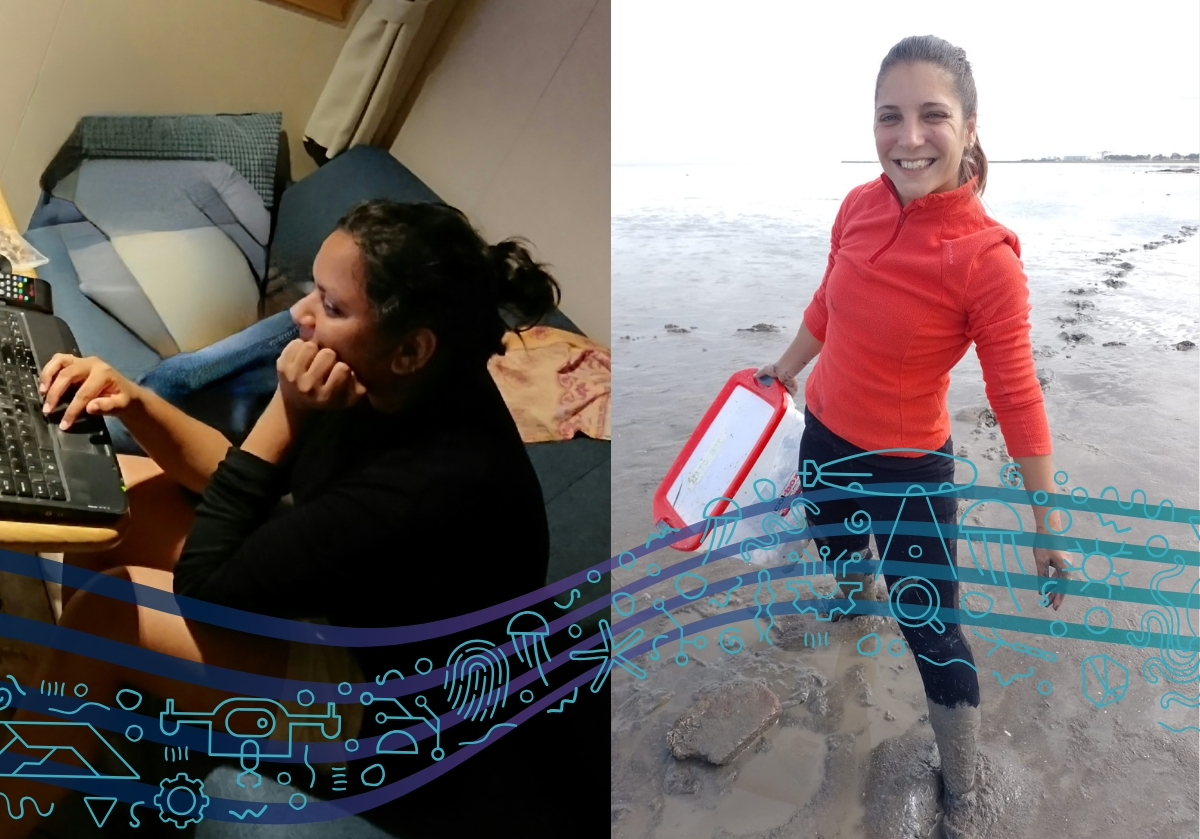
Kingston, 8 March 2026 – On International Women’s Day, the International Seabed Authority (ISA) highlights the journeys of women shaping the future of ocean science and governance. Through initiatives such as the See Her Exceed Global Mentoring Programme – S.H.E., the Women in Deep-Sea Research project and activities funded under the ISA Partnership Fund, the ISA expands access to training, mentorship and international collaboration in a field that remains highly specialized and historically male-dominated.
A core pillar of this mission is the Gender Practical Guidance on Promoting the Safe Participation of Women in Offshore Activities, in short, the Gender Practical Guidance. Developed through rigorous research led by former trainees, it addresses the interconnected structural and environmental barriers from inadequate vessel infrastructure to the lack of formal reporting mechanisms that have long limited women’s participation in at-sea missions. By institutionalizing safety, accessibility and mentorship, the ISA is transforming offshore research from a space of individual endurance into an environment of institutional equity. We aren’t just inviting women to the table. We are ensuring the vessel is ready for them to lead. Among the scientists benefiting from these initiatives are Michèle Sciberras of Argentina and Yuneeda Oozeeraully of Mauritius, whose careers reflect different, yet complementary pathways into ocean science and governance.
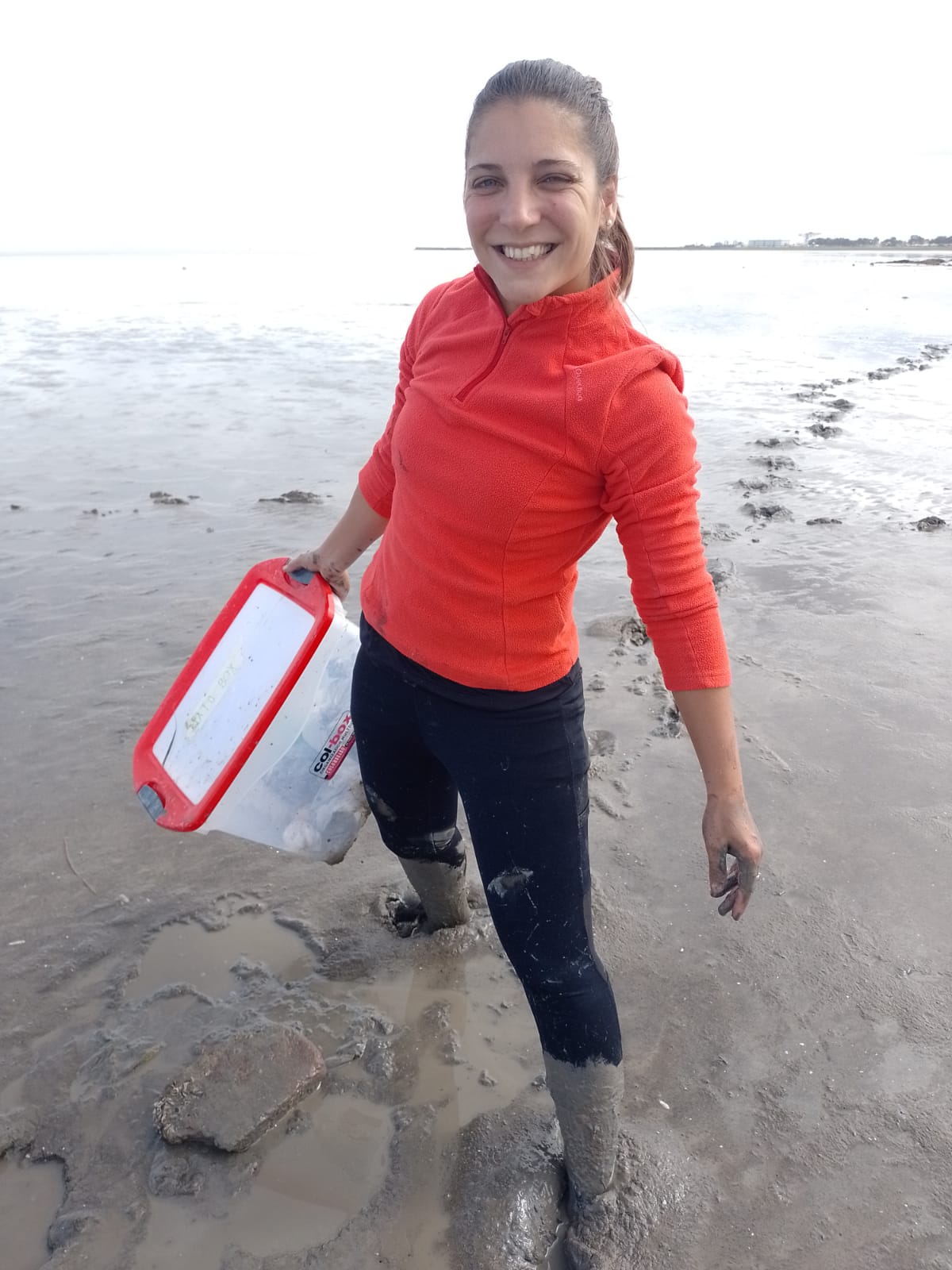
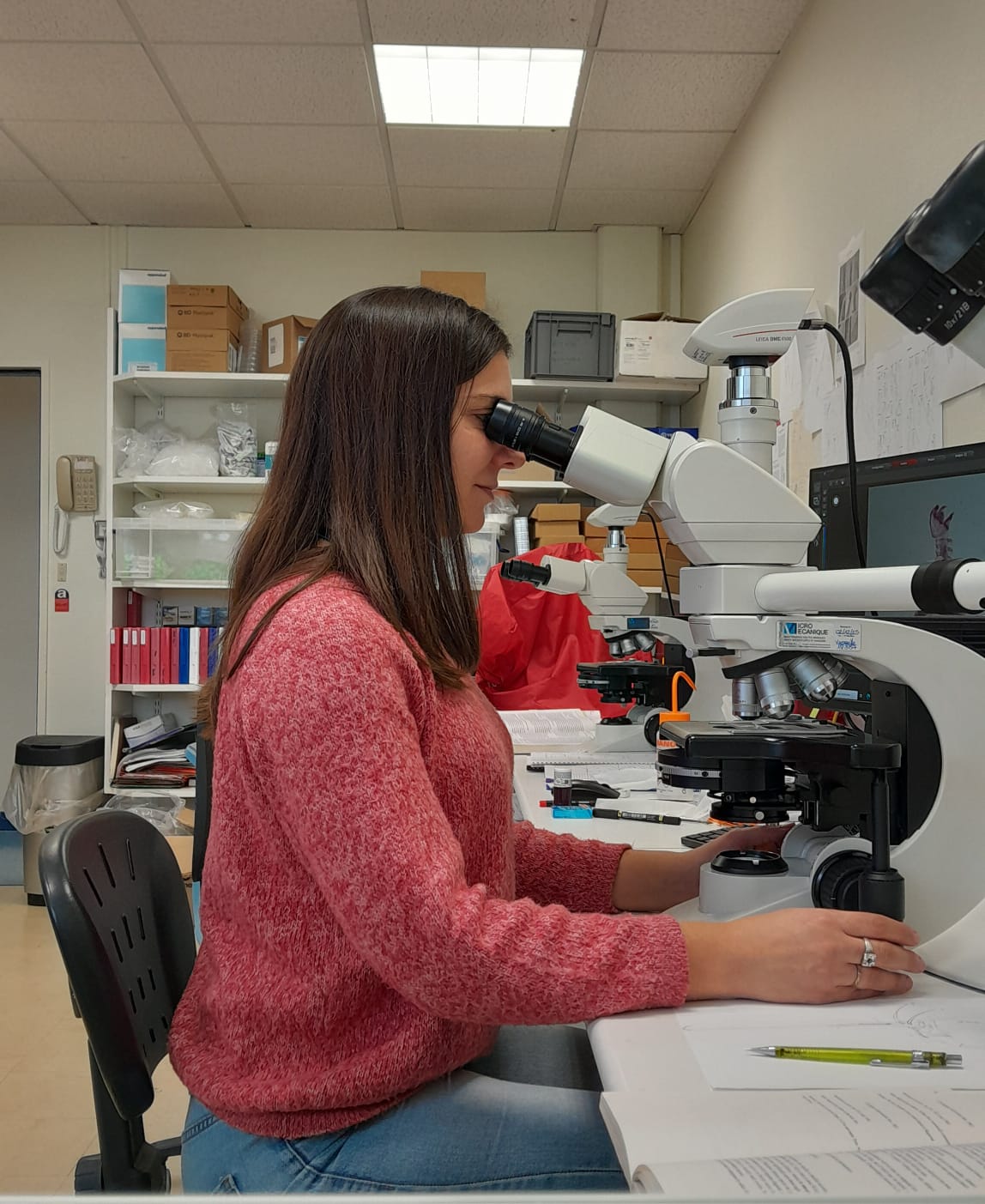
For Michèle Sciberras, science has always been driven by curiosity about life that thrives out of sight. Trained as a biologist in Argentina, she conducted early research on coastal meiobenthos, particularly copepods, organisms that play a critical role in marine ecosystems but are often overlooked. That curiosity has carried her into the deep ocean through the ISA-Ifremer Meioscool Postdoctoral Fellowship, an activity of a project funded under the ISA Partnership Fund. Working at Ifremer in France, Michèle is exploring deep-sea ecosystems for the first time, gaining hands-on experience with deep-sea samples and data. Her transition from Argentina to France marked both a professional and personal milestone.
“Feeling comfortable within a research group is essential,” she explains. “When the environment is welcoming, it allows you to focus fully on the science.”
In a supportive, multidisciplinary setting, Michèle has been able to expand her expertise beyond coastal systems and engage with the complexities of abyssal biodiversity. Her motivation to apply stemmed from her value placed on international scientific exchange. Research stays abroad expose scientists to different methodologies, institutional cultures and collaborative networks. Through ISA, Michèle gained access to deep-sea research opportunities that would have been difficult to pursue in her home country.
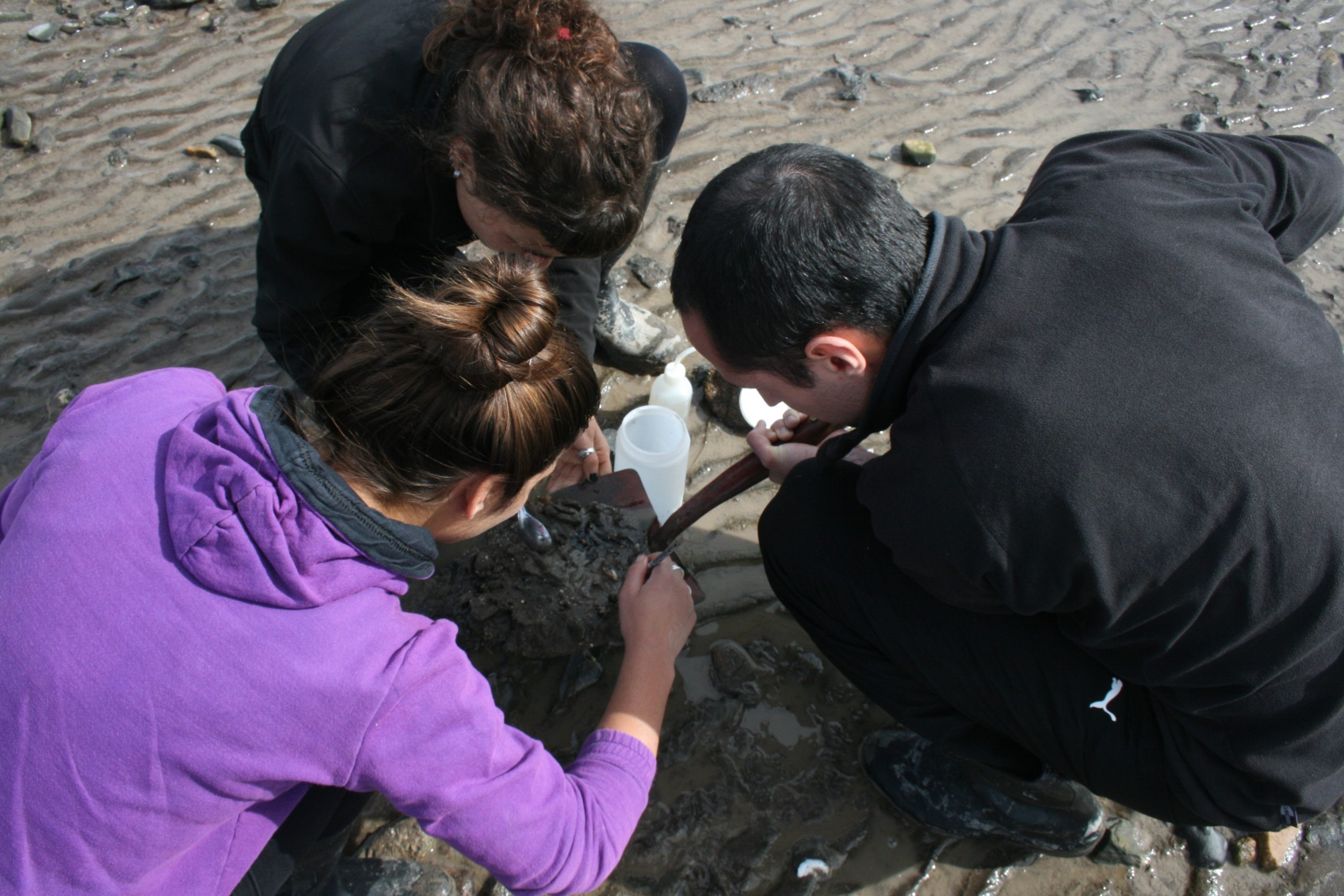
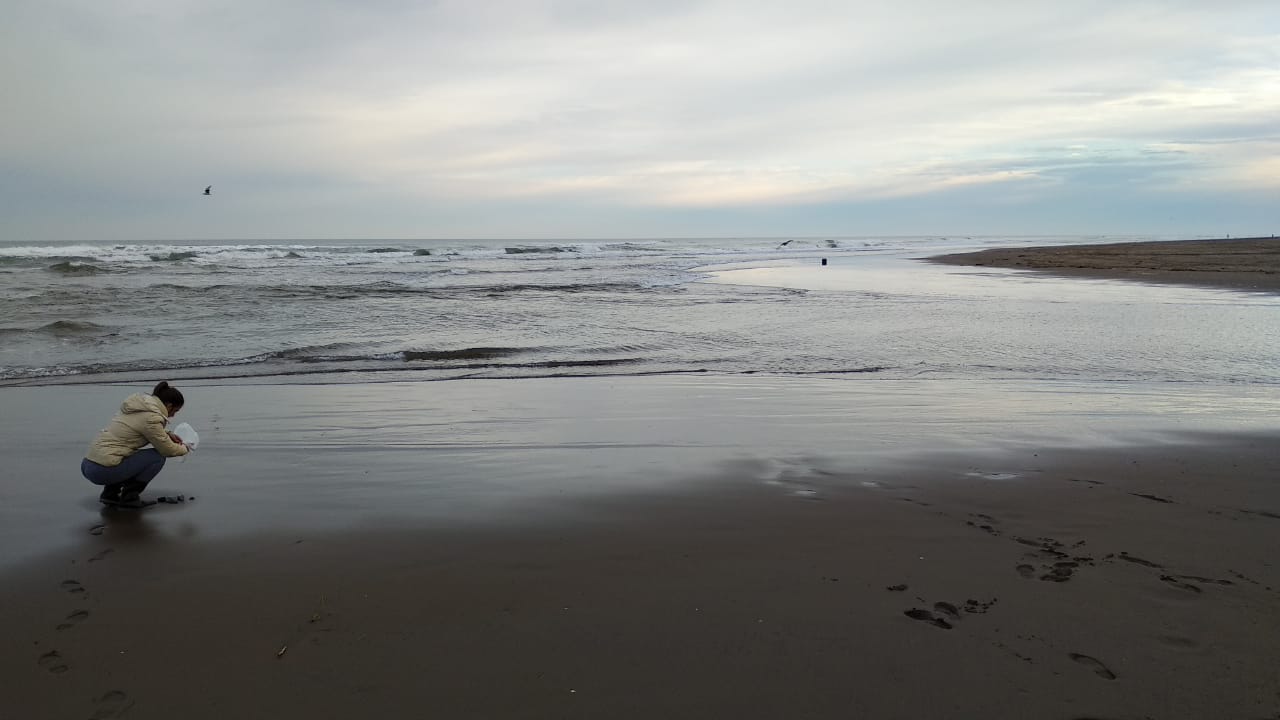
The fellowship also strengthened her professional skills beyond laboratory work. Her involvement in organizing the Meioscool workshop provided practical experience in coordinating an international scientific event, underscoring the collaborative dimension of research. In a field where few specialists in meiobenthos work in Argentina, building an international network is not optional but essential.
Before joining the programme, the deep sea felt distant, defined more by its inaccessibility than by tangible opportunity. Working directly with material collected from the ocean floor transformed that perception. “This experience showed me that you can contribute to deep-sea research even if your country has limited infrastructure,” she reflects.
As a woman in science, Michèle recognizes both progress and persistent disparities. While more women are entering scientific careers in Argentina, leadership positions remain disproportionately male-dominated. In specialized domains such as deep-sea research, targeted support mechanisms can make the difference between participation and exclusion. For her, success means producing high-quality science on overlooked organisms, communicating findings beyond academia and inspiring students to see ocean science as within reach.
While Michèle’s journey is rooted in biological research, Yuneeda Oozeeraully’s path reflects the intersection of applied science and governance. From early in her career, she was motivated by the role scientific knowledge plays in shaping policy decisions, particularly in the marine domain. Her participation in the National Expert Deployment Programme in physical oceanography at ISA stemmed from a desire to move beyond theoretical understanding and engage directly with the operational realities of ocean governance. She sought to refine her technical skills while gaining insight into regulatory processes related to deep-sea mining and conservation frameworks.
“The experience transformed my perspective,” she notes. “Deep-sea research is not only about exploration. It is equally about governance, environmental stewardship and equitable resource management.”
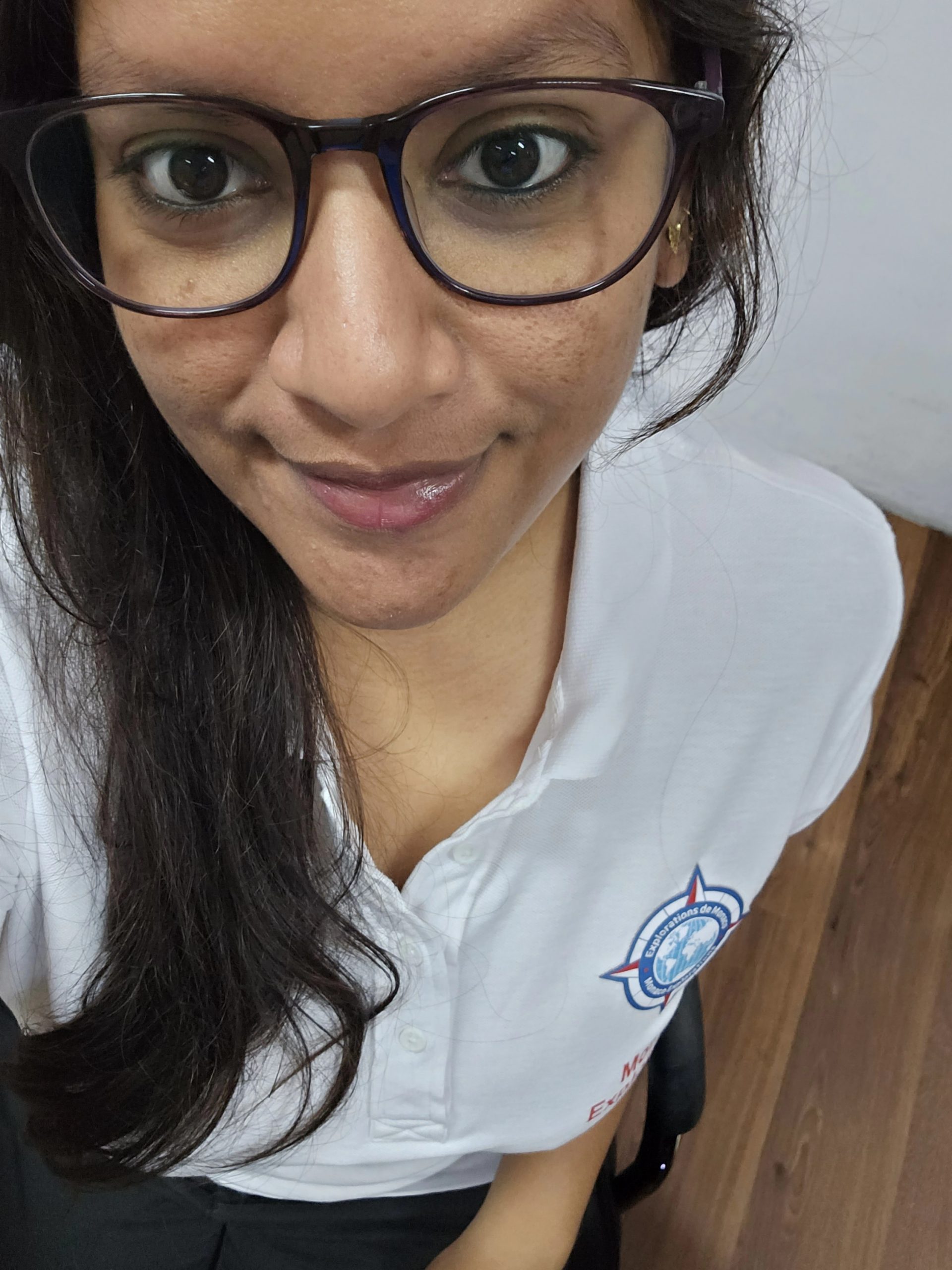
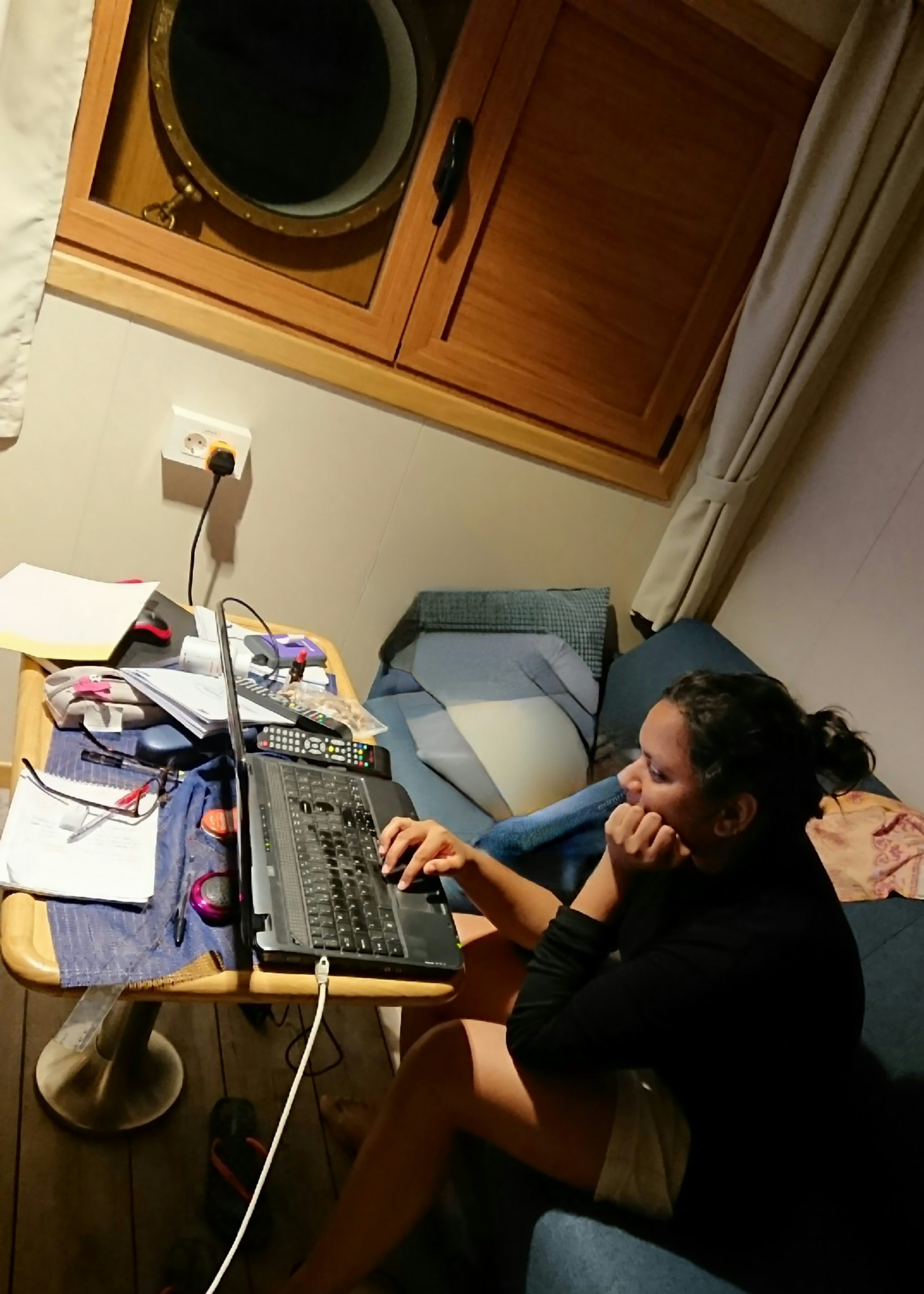
Yuneeda’s exposure to ISA’s regulatory work provided a practical understanding of how scientific data informs international decision-making. The programme also underscored the importance of capacity-building, particularly for small island developing States. Yuneeda witnessed how, when shared, technical expertise can strengthen national engagement in seabed-related matters and enhance women’s participation in specialized fields.
“Representation,” she emphasizes, “is not symbolic. It shapes who participates, who influences outcomes and whose perspectives are reflected in policy debates.” By advocating for mentorship, training and visibility, she sees a pathway toward more inclusive scientific and governance spaces. Participation in research expeditions and technical training further clarified her professional ambitions. For Yuneeda, success lies in becoming a professional capable of bridging scientific research and policy implementation, translating complex oceanographic knowledge into actionable governance frameworks.
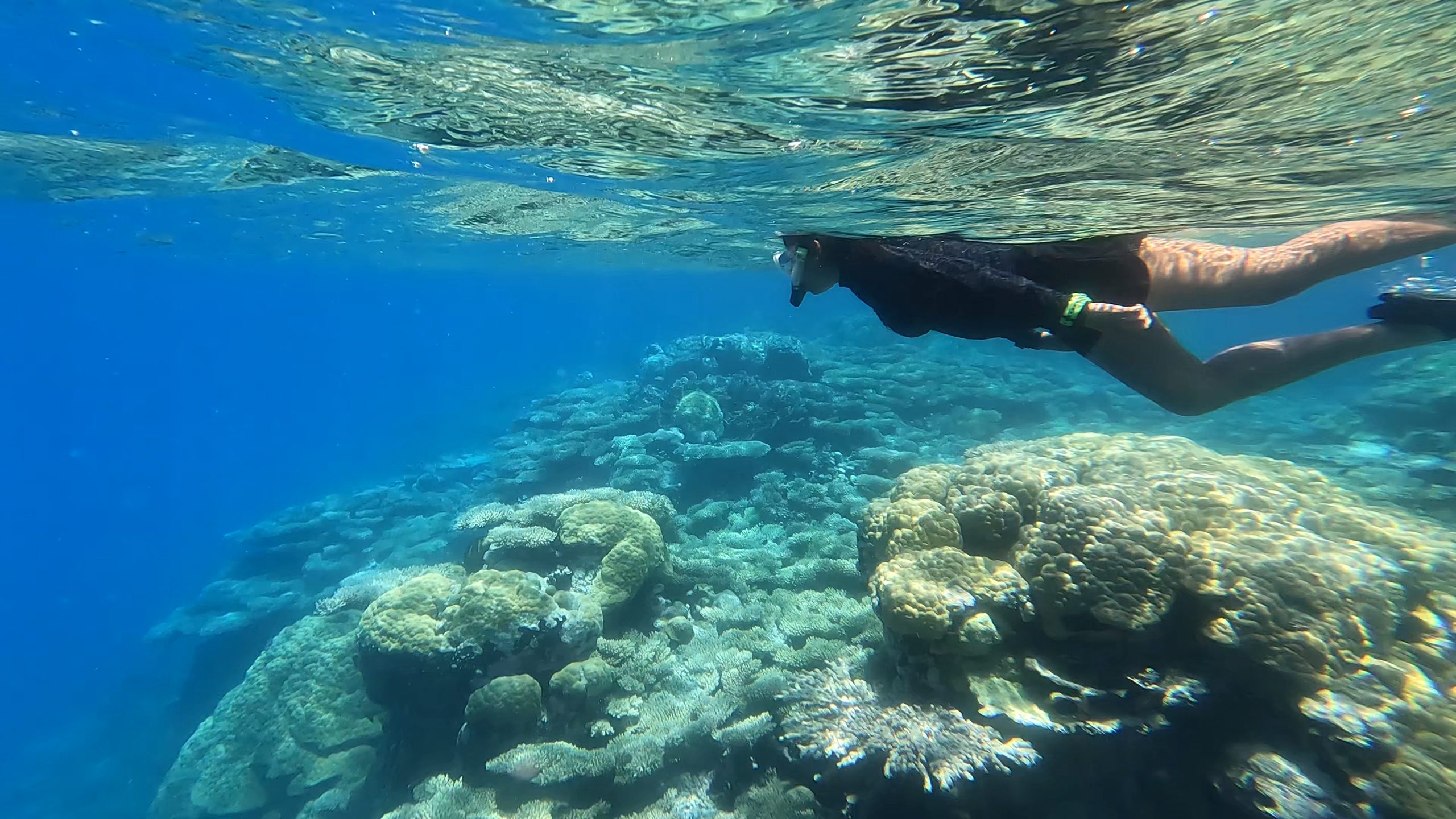
The stories of Michèle Sciberras and Yuneeda Oozeeraully illustrate how structured support, mentorship and international collaboration can transform careers at different stages. One is deepening biological research in largely unexplored ecosystems. The other is strengthening the science-policy interface that underpins responsible ocean governance.
Both journeys underline a shared principle: access matters. Access to training, to networks, to decision-making spaces and to leadership opportunities. By embedding gender equity and capacity-building into its programmes, ISA seeks to ensure that women are not only present in deep-sea science but also positioned to lead.
On International Women’s Day, their experiences serve as a reminder that expanding opportunity in ocean science is not simply about fairness. It strengthens the quality of research, the robustness of governance and the collective ability to manage the deep seabed, part of the common heritage of humankind, for present and future generations.
About ISA
ISA is an autonomous intergovernmental organization mandated by the United Nations Convention on the Law of the Sea to manage the mineral resources of the seabed beyond national jurisdiction for the shared benefit of humankind. ISA is committed to ensuring that all economic activities in the deep seabed, including mining, are regulated and responsibly managed using the best available scientific evidence for the benefit of all humankind.
For media inquiries, please contact:
ISA Communications Unit, news@isa.org.jm