Madam Secretary-General Reflects on Her Mission to Fiji and the Opening of the Pacific SIDS Regional Workshop
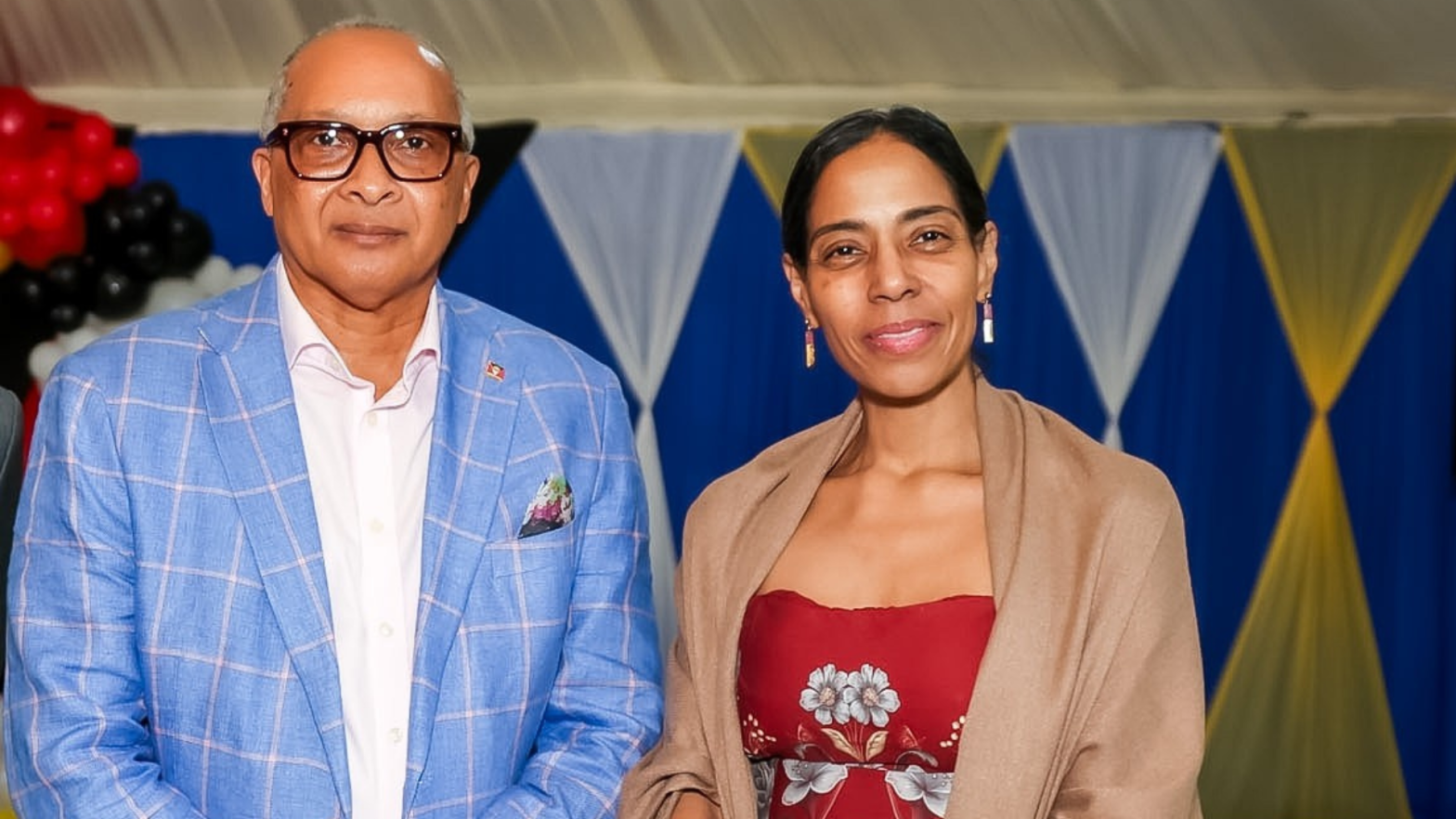
Suva, Fiji – (18 – 21 May 2026) – My engagement in Suva, Fiji, as my first official visit to the Pacific as Secretary-General of the International Seabed Authority (ISA), was long overdue and of great strategic importance. The Pacific Small Island Developing States (Pacific SIDS) are central to ISA’s work. Their ocean heritage and their voice in the negotiations that will shape the rules that will govern the deep seabed for generations made this mission one of the most significant of my tenure. I came to listen and learn, and I left Suva with a clearer sense of both what the Authority can offer and what it can do better for Pacific SIDS.
Acting Locally in the Pacific: How Discovering New Sea Star Species in the Clarion-Clipperton Zone Is Reshaping What We Know About Life on the Seafloor
Kingston, Jamaica – 8 June 2026 – This year, the International Day for Biological Diversity calls us to “act locally for global impact,” a principle that resonates deeply with the scientists working to document life in the most remote reaches of our oceans. In the deep seabed, where darkness, cold and crushing pressure define the environment, most species remain unknown to science. Identifying, naming and describing them, the work of taxonomists, is one of the most locally grounded acts in biology research which requires hands-on study of individual specimens from sparse sites. And yet its impact is unmistakably global. Named species can be tracked, protected and incorporated into the international frameworks that govern our shared ocean, including the Kunming-Montreal Global Biodiversity Framework (KMGBF), which sets ambitious targets to halt and reverse biodiversity loss by 2030. The work of the International Seabed Authority (ISA) also depends on this knowledge to fulfill its responsibilities under the United Nations Convention on the Law of the Sea – to regulate and control mineral-related activities in the international seabed Area while protecting the marine environment – and to ensure the sustainable development of deep-sea activities.
A Message from Madam Secretary-General on World Oceans Day 2026
Madam Secretary-General of the International Seabed Authority, Leticia Carvalho, shares a special message to celebrate World Oceans Day 2026:
Hidden in the Mud: How Describing Microscopic Life in the Indian Ocean is Advancing Global Biodiversity Science
Kingston, Jamaica – 4 June 2026 – This year, the International Day for Biological Diversity calls us to “act locally for global impact,” a principle that resonates deeply with the scientists working to document life in the most remote reaches of our oceans. In the deep seabed, where darkness, cold and crushing pressure define the environment, most species remain unknown to science. Identifying, naming and describing them, the work of taxonomists, is one of the most locally grounded acts in biology research which requires hands-on study of individual specimens from sparse sites. And yet its impact is unmistakably global. Named species can be tracked, protected and incorporated into the international frameworks that govern our shared ocean, including the Kunming-Montreal Global Biodiversity Framework (KMGBF), which sets ambitious targets to halt and reverse biodiversity loss by 2030. The work of the International Seabed Authority (ISA) also depends on this knowledge to fulfill its responsibilities under the United Nations Convention on the Law of the Sea – to regulate and control mineral-related activities in the international seabed Area while protecting the marine environment – and to ensure the sustainable development of deep-sea activities.
Acting Locally in the Indian Ocean: How Describing 12 New Brittle Star Species Is Advancing Global Ocean Science and Governance
Kingston, Jamaica – 30 May 2026 – This year, the International Day for Biological Diversity calls us to “act locally for global impact,” a principle that resonates deeply with the scientists working to document life in the most remote reaches of our oceans. In the deep seabed, where darkness, cold and crushing pressure define the environment, most species remain unknown to science. Identifying, naming and describing them, the work of taxonomists, is one of the most locally grounded acts in biology research which requires hands-on study of individual specimens from sparse sites. And yet its impact is unmistakably global. Named species can be tracked, protected and incorporated into the international frameworks that govern our shared ocean, including the Kunming-Montreal Global Biodiversity Framework (KMGBF), which sets ambitious targets to halt and reverse biodiversity loss by 2030. The work of the International Seabed Authority (ISA) also depends on this knowledge to fulfill its responsibilities under the United Nations Convention on the Law of the Sea – to regulate and control mineral-related activities in the international seabed Area while protecting the marine environment – and to ensure the sustainable development of deep-sea activities.
Acting Locally in the Abyss: How Describing 24 New Species in the Pacific Ocean is Helping Protect Our Oceans
Kingston, Jamaica – 29 May 2026 – This year, the International Day for Biological Diversity calls us to “act locally for global impact,” a principle that resonates deeply with the scientists working to document life in the most remote reaches of our oceans. In the deep seabed, where darkness, cold and crushing pressure define the environment, most species remain unknown to science. Identifying, naming and describing them, the work of taxonomists, is one of the most locally grounded acts in biology research which requires hands-on study of individual specimens from sparse sites. And yet its impact is unmistakably global. Named species can be tracked, protected and incorporated into the international frameworks that govern our shared ocean, including the Kunming-Montreal Global Biodiversity Framework (KMGBF), which sets ambitious targets to halt and reverse biodiversity loss by 2030. The work of the International Seabed Authority (ISA) also depends on this knowledge to fulfill its responsibilities under the United Nations Convention on the Law of the Sea – to regulate and control mineral-related activities in the international seabed Area while protecting the marine environment – and to ensure the sustainable development of deep-sea activities.
The ISA-China Joint Training and Research Centre Opens Fourth Workshop on Cumulative Impact Assessment in Sanya, Hainan
Sanya, Hainan, China – 29 May 2026 – The International Seabed Authority (ISA)-China Joint Training and Research Centre (ISA-China JTRC) officially inaugurated its fourth training workshop today in Sanya, China. The workshop, titled “Cumulative Impact Assessment for Effective Protection of the Marine Environment in the Area: Methods, Case Studies, and Best Practices,” brings together 21 selected participants from developing countries across Africa, Asia-Pacific, Latin America and the Caribbean and members of ISA’s Legal and Technical Commission (LTC), who are serving as lecturers and facilitators throughout the ten-day programme.