
Kingston, 27 February 2026 – For African States, active engagement in the governance of the Area under the International Seabed Authority (ISA) is essential to ensure equitable access to the benefits of the Area and the deep seabed, in accordance with the principle of the common heritage of humankind. With 38 of the 54 African States being coastal States and 13 million square kilometres of maritime zones and approximately 6.5 million square kilometres over the continental shelf under Africa’s jurisdiction, the wealth of natural resources found in the oceans and seas surrounding the African continent has led to a growing interest in the sustainable development of the African blue economy.
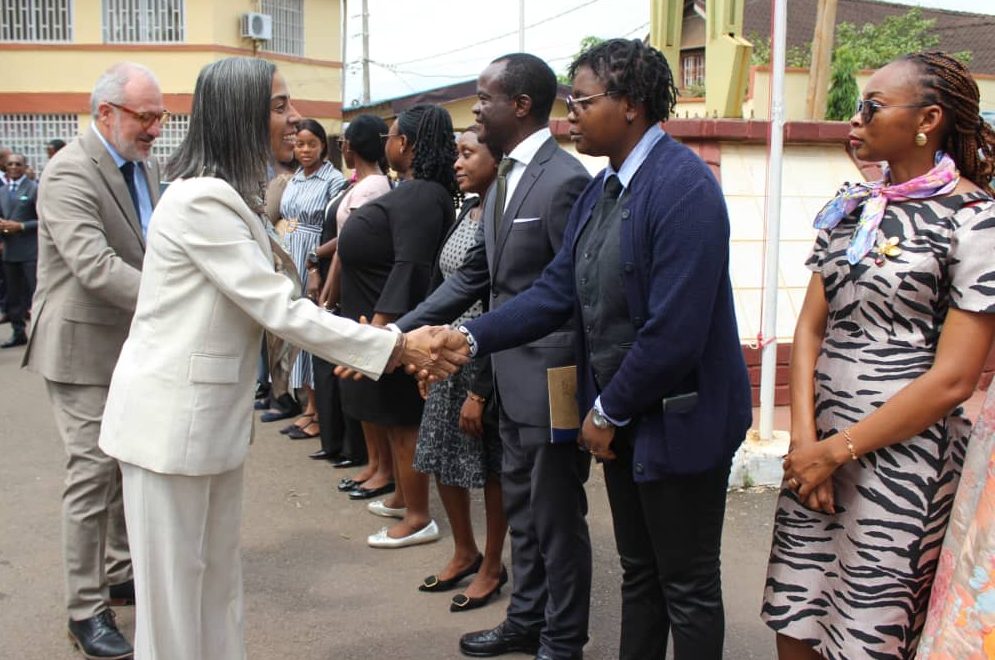
Historically, African States have contributed significantly to the development of the deep seabed regime, shaping the principles that guide ISA today, from equitable benefit-sharing to balancing environmental protection with sustainable development. Following the inaugural workshop of the African Academy for Deep-Sea Diplomacy (ADSEA), Cameroon’s active engagement with ISA over the years reflects its leadership in both the technical and governance dimensions of deep-sea affairs. From hosting the ISA Assembly President in 2002 and the Council President in 2014 to contributing to the Legal and Technical Commission, Cameroon has played a pivotal role in advancing the credibility and technical expertise of the African continent within the ISA. The country’s role in hosting ADSEA underscores a broader continental ambition: ensuring that African States are fully equipped to engage confidently and constructively in global ocean governance.
African States have been underrepresented in mechanisms that could enable them to partner with private contractors for exploration or engage directly with the Enterprise for joint ventures. To date, no African State has engaged in any activity in the Area. Such participation and partnership with contractors would provide not only deeper scientific and technical knowledge of the Area but also a pathway towards eventual resource utilization and sustainable development.
The engagement of African States in deep-sea governance is particularly critical because the continent encompasses both coastal States, whose interests include marine environmental protection and sustainable ocean economies, and landlocked developing countries (LLDCs), which are entitled under United Nations Convention on the Law of the Sea to share in the benefits derived from activities in the Area despite lacking direct access to the ocean. Ensuring the inclusion of LLDCs alongside coastal States strengthens regional cohesion and underscores the principles of equity and collective benefit that have defined the international legal regime for the seabed.
Since 2017, ISA has implemented a series of initiatives to enhance the capacity of African States, LLDCs and small island developing States (SIDS) to engage effectively in ocean governance. These initiatives encompass awareness-building, institutional support and targeted empowerment of women in deep-sea research.
Africa Deep-Sea Resources (ADSR) project, established in partnership with the African Union and the Norwegian Agency for Development Cooperation, has been a cornerstone initiative. Launched to advance Africa’s blue economy, the ISA’s 6th voluntary commitment to support the implementation of Sustainable Development Goal 14, the ADSR project has organized workshops across all African subregions, providing practical training and facilitating dialogue among governments, academia, industry and civil society. Since its inception, workshops have been held in Côte d’Ivoire (2018), South Africa (2019) and virtually with Mauritius (2021) and Nigeria (2022), reaching more than 250 participants across multiple countries and sectors. These workshops have provided a platform for knowledge exchange, policy development and the identification of capacity-building priorities, while fostering collaboration on the scientific, technical and legal aspects of deep-sea governance. The workshops served as an opportunity to discuss how Member States of the African Union can operationalize blue economy strategies for deep-seabed-related matters, work with Pan-African and regional institutions, and expand African partnerships to attract private and public sector players in the blue economy.
Complementing the ADSR workshops, ISA deployed African experts to the Secretariat to build hands-on experience in deep-sea operations, policy and research. By 2022, ten experts from across the continent have been selected to work within the Secretariat, further strengthening the African presence within ISA’s operational framework. Initiatives such as the Marine Scientific Research Information Series and the Ocean Governance Capacity Building programme, delivered in partnership with the World Bank, the University of Melbourne, Australia and other international organizations, have enhanced the legal and technical knowledge of African officials, enabling them to participate more effectively in negotiations and decision-making processes.
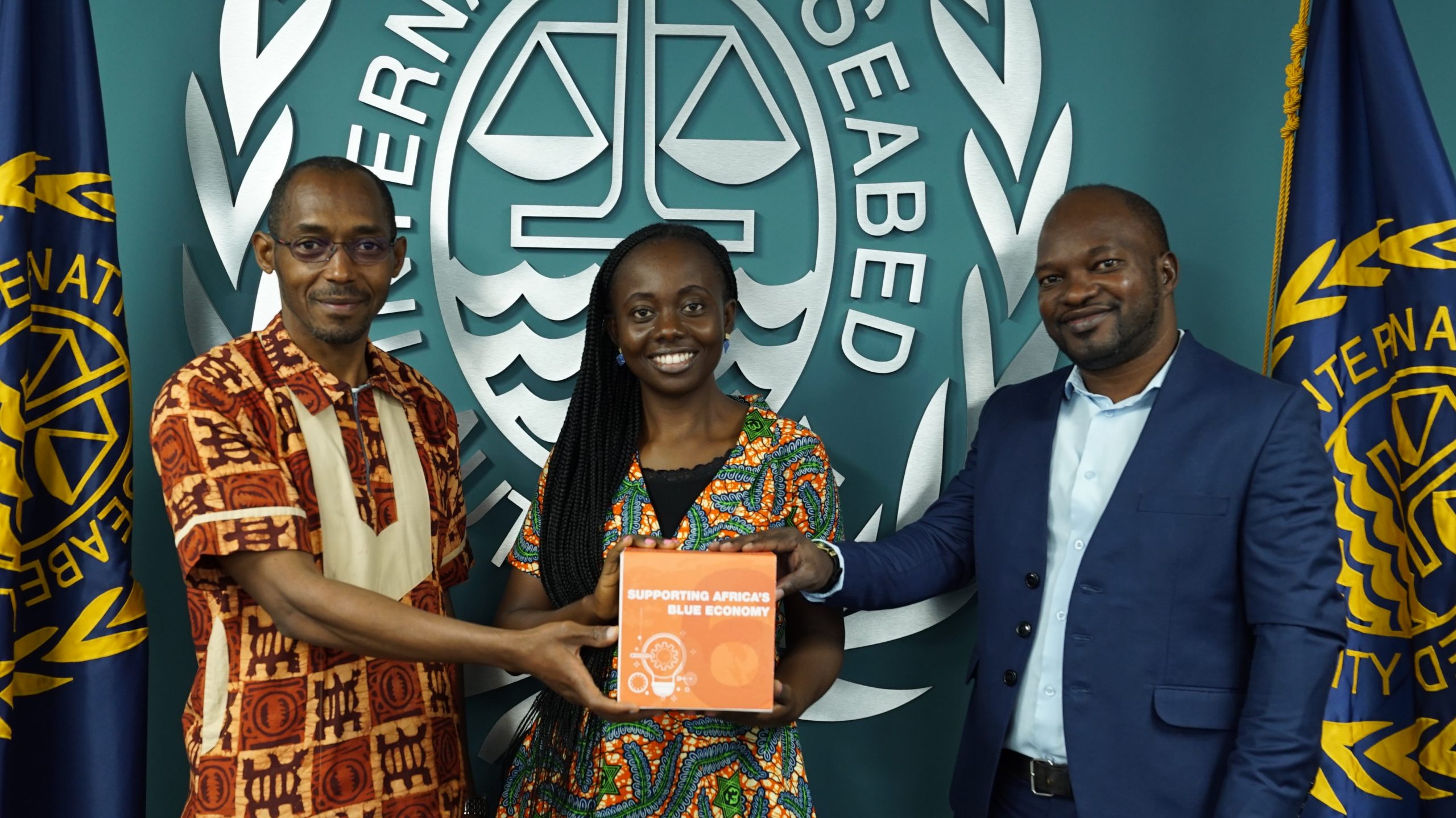
The ISA has also prioritized the empowerment of women in deep-sea science through initiatives such as the Women in Deep-Sea Research project and the See Her Exceed Global Mentoring Programme – S.H.E., which pairs young scientists from developing States with internationally renowned experts. These programmes provide mentorship, technical training and professional development, ensuring that women are equipped to contribute meaningfully to ocean governance and research. The pilot programme (2023-2025) specifically included mentees from the following African countries: Egypt, Kenya, Nigeria, South Africa, Tanzania and Tunisia.
Strategic partnerships with regional institutions have also expanded opportunities for African States. In Egypt, for instance, ISA and the National Institute of Oceanography and Fisheries established a Joint Training and Research Centre (JTRC) to deliver training programmes, conduct collaborative research, host seminars tailored to regional needs and support the advancement of women in marine science. To date, 18 national experts from 12 Member States have received training at the Egypt JTRC, which also hosted a training on conducting an environmental impact assessment for exploration activities. Similarly, ISA has partnered with the International Relations Institute of Cameroon to launch the ADSEA, providing a dedicated curriculum on the law of the sea and the legal regime governing activities in the Area. The programme combines legal and institutional training with practical exercises, including negotiation simulations and drafting exercises that mirror real ISA Council and Assembly processes. Participants gain insight into the interactions between ISA organs, advisory bodies and regulatory frameworks, enabling them to engage effectively in decision-making and policy development.
The ADSEA represents a milestone in ISA’s efforts to strengthen the participation of African States in deep-sea governance and is part of ISA’s broader strategy to build human and institutional capacity for ocean governance. By equipping diplomats, government officials and researchers with the knowledge, skills and confidence to engage effectively in ISA’s processes, ADSEA strengthens Africa’s voice in shaping global policies on the sustainable use of deep-sea resources.
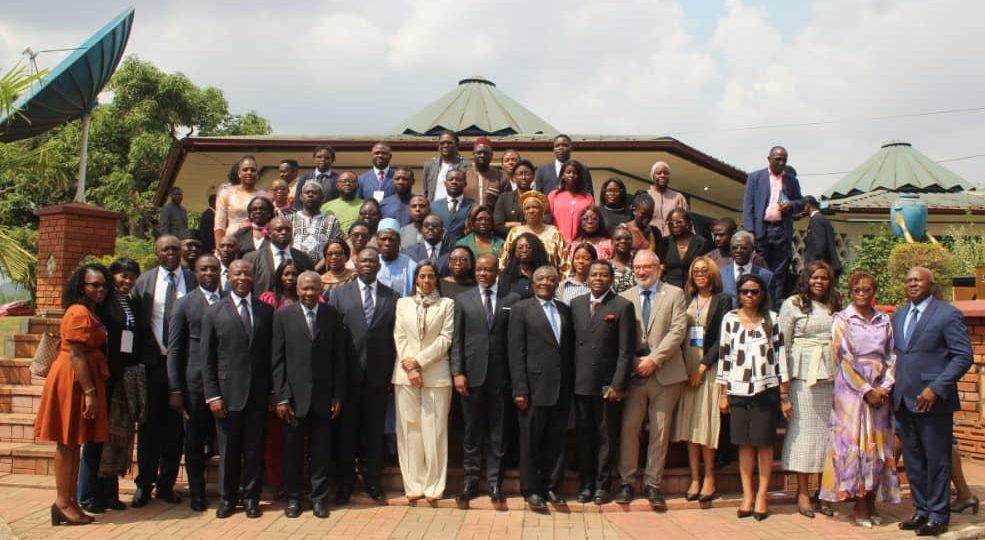
The inaugural in-person ADSEA workshop was hosted in Yaoundé, Cameroon, from 9 to 13 February 2026, in partnership with the Government of Cameroon and the International Relations Institute of Cameroon. The week-long workshop brought together nearly 30 early to mid-career diplomats, government officials and policymakers from all five African subregions, representing coastal States, LLDCs and SIDS.
African States can fully realize their untapped potential within the ISA’s mission by focusing on two primary objectives:
- Direct participation in activities in the Area: African States are encouraged to leverage their long and active involvement with the ISA to pursue direct participation in activities in the Area. This includes sponsoring natural or juridical persons to submit a plan of work for a reserved area under Annex III, Article 6 and 9, paragraph 4 of the UNCLOS. This can be done by an individual African State or a consortium of States. Doing so would advance the principle of the common heritage of humankind, particularly given that Africa is the only ISA regional group yet to utilize this mechanism.
- Operationalizing the Enterprise: African States should build on their advocacy for the Enterprise by actively seeking to conclude joint venture arrangements with it, pursuant to Section 2 of the Annex to the 1994 Implementation Agreement. A commercially sound joint venture would trigger a Council directive requiring the Enterprise to function independently of the Secretariat, marking a critical step towards its full operationalization.
International Seabed Authority
The International Seabed Authority is an autonomous international organization established under the United Nations Convention on the Law of the Sea. The International Seabed Authority is responsible for regulating mineral-related activities in the international seabed area beyond national jurisdiction. It has a mandate to ensure the effective protection of the marine environment from harmful effects arising from such activities.
For media inquiries, please contact:
ISA Communications Unit, news@isa.org.jm
—————
For more information, visit our website, www.isa.org.jm