
Reflections from Madam Secretary-General Leticia Carvalho on ISA Engagements in the Republic of Korea
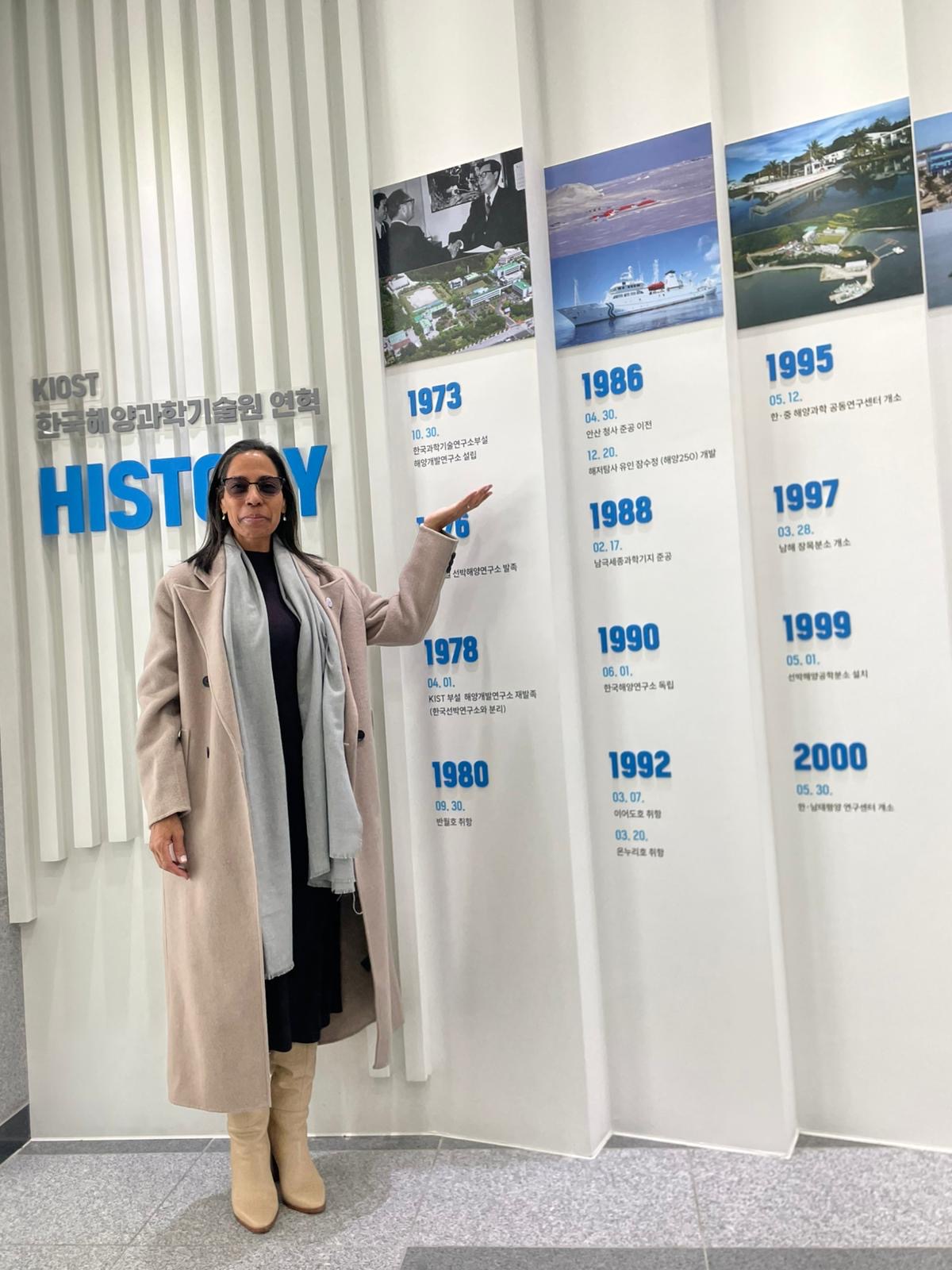
This week, I had the pleasure of visiting the Republic of Korea for a series of focused engagements with the Ministry of Oceans and Fisheries, the Ministry of Foreign Affairs, and the Korea Institute of Ocean Science and Technology (KIOST). The visit reaffirmed the Republic’s deep commitment to multilateralism and international cooperation under the United Nations Convention on the Law of the Sea (UNCLOS), as well as its strong support for the work of the International Seabed Authority (ISA).
At the Ministry of Oceans and Fisheries, I was pleased to exchange views with Minister Chun Jae-soo. The Republic reiterated its full support for the forthcoming REMP workshop in the Northwest Pacific, recognizing that regional environmental planning must rest on solid science and inclusive participation. I also welcomed the update that progress is being made toward securing the necessary resources for establishing a biological storage bank for deep-sea samples. This infrastructure will be an important step to operationalize the Deep-Sea Biobank, particularly in enabling long-term curation, universal access to deep-sea samples, and scientific cooperation.
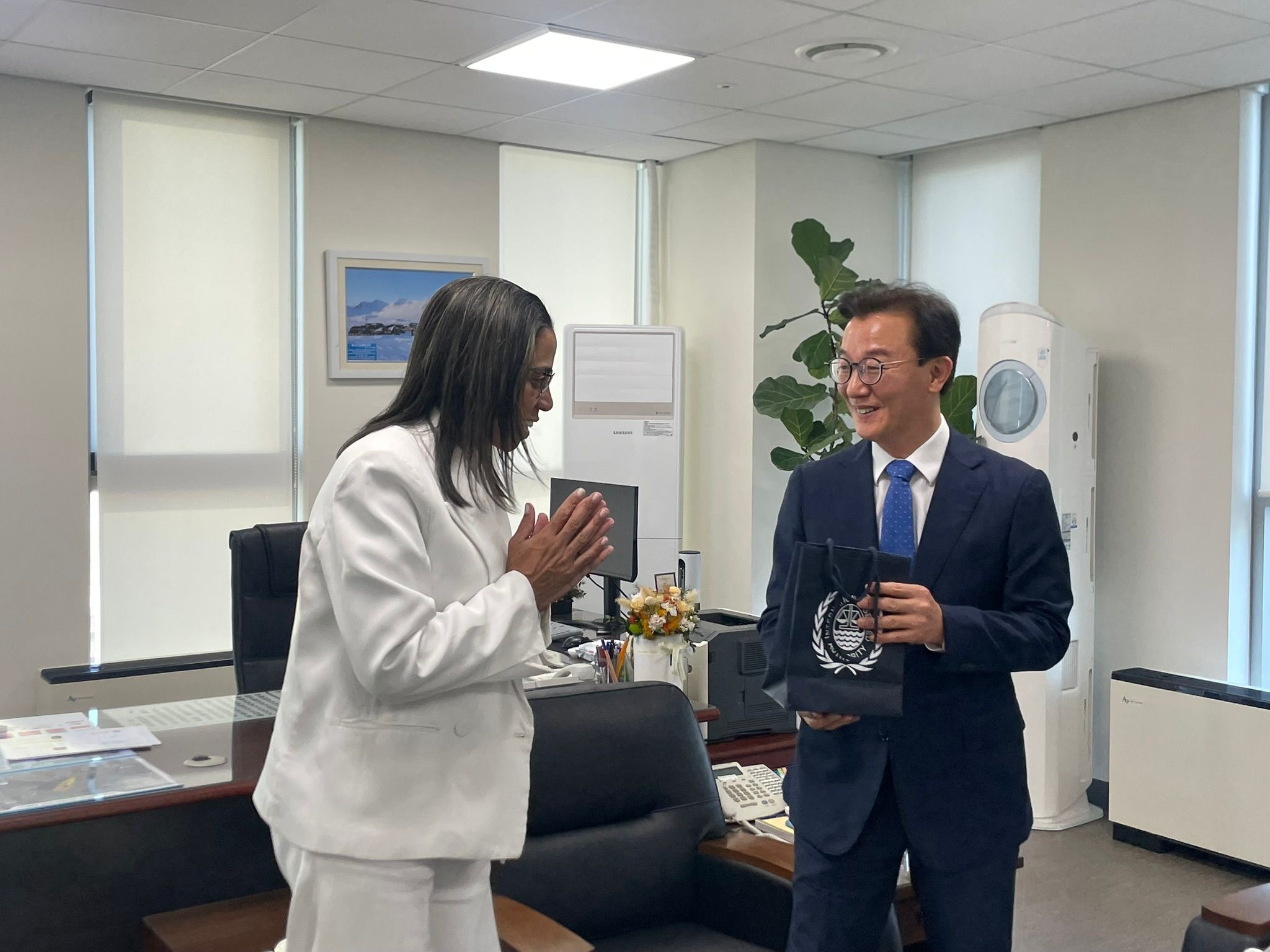
Our discussions further highlighted the Republic’s commitment to both ISA and the BBNJ Agreement, underscoring the importance of balanced cooperation between the two regimes, an approach that aligns closely with ISA’s long-standing view that coherence under UNCLOS is essential for global ocean governance. I also appreciated the Republic’s enthusiasm for the finalization of standard operating procedures on sampling, processing and sharing of biological samples and genetic data from the Area planned for 2026. I also further welcomed its active engagement and contribution to the development of Regional Environmental Management Plans (REMPs) and in supporting ISA’s work under the Sustainable Seabed Knowledge Initiative (SSKI), which aims to transform our understanding of the planet’s largest ecosystem, the deep sea.
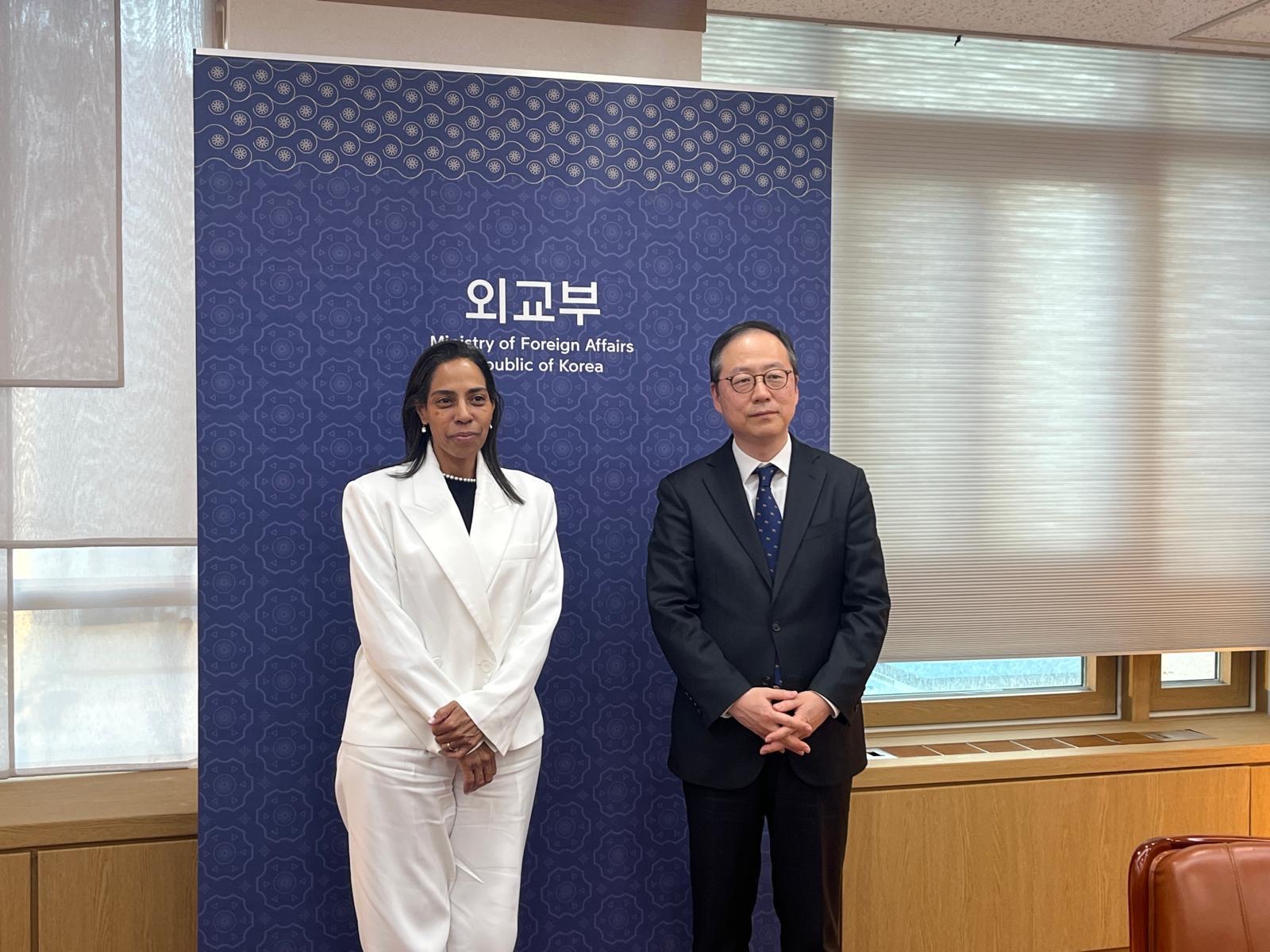
At the Ministry of Foreign Affairs, my conversation with Deputy Minister Kweon Ki-hwan centered on preparations for the 2028 United Nations Ocean Conference (UNOC-4), for which the Republic of Korea has put forward its intention to co-host. They formally requested support from the Authority as they prepare for this major milestone, and I welcomed this request wholeheartedly. The ocean community is looking to UNOC-4 to deliver ambition grounded in science, and ISA stands ready to contribute its unique expertise, data, and global partnerships. We agreed to hold a bilateral meeting in early December with the Korean Foreign Ministry and Permanent Mission to the United Nations to advance this collaboration.
My discussions with President Hee-Seung Lee at KIOST were equally substantive and forward-looking. We reflected on the support KIOST can provide under the recent Letter of Cooperation on the Deep-Sea Biobank signed with the Ministry of Oceans and Fisheries during UNOC-3, and discussed the concrete next steps needed to operationalize this important initiative. I was encouraged to hear KIOST’s commitment, as well as its interest in exploring broader collaboration opportunities with additional partners. This reinforces the spirit in which the Biobank was conceived: as a global platform to advance scientific cooperation, strengthen access to deep-sea knowledge, and support developing States.

My discussions with President Hee-Seung Lee at KIOST were equally substantive and forward-looking. We reflected on the support KIOST can provide under the recent Letter of Cooperation on the Deep-Sea Biobank signed with the Ministry of Oceans and Fisheries during UNOC-3, and discussed the concrete next steps needed to operationalize this important initiative. I was encouraged to hear KIOST’s commitment, as well as its interest in exploring broader collaboration opportunities with additional partners. This reinforces the spirit in which the Biobank was conceived: as a global platform to advance scientific cooperation, strengthen access to deep-sea knowledge, and support developing States.

Across all my engagements, one message was clear: the Republic of Korea sees science, transparency, and international cooperation as the pillars of effective ocean governance. Its investments in research, biological collections, and data systems are being developed not for national benefit alone, but with an eye toward strengthening the common heritage of humankind.
I left the Republic deeply encouraged by the clarity of vision and the commitment expressed at every level. This partnership will be essential as we work together to advance the Deep-Sea Biobank, develop robust Regional Environmental Management Plans (REMPs), support scientific capacity in developing States, and promote coherence across the international ocean governance landscape.
With the continued engagement of the Republic of Korea and all our Member States, I remain confident that we can strengthen a science-based, inclusive and future-focused framework for ensuring that the deep seabed, the common heritage of humankind, is managed responsibly, equitably and for the benefit of present and future generations.
Leticia Carvalho
Secretary-General, International Seabed Authority
About ISA
ISA is an autonomous intergovernmental organization mandated by the United Nations Convention on the Law of the Sea to manage the mineral resources of the seabed beyond national jurisdiction for the shared benefit of humankind. ISA is committed to ensuring that all economic activities in the deep seabed, including mining, are regulated and responsibly managed using the best available scientific evidence for the benefit of all humankind.
For media inquiries, please contact:
ISA Communications Unit, news@isa.org.jm
—————
For more information, visit our website, www.isa.org.jm