
Kingston, Jamaica (28 July 2026) – At a side event held on Tuesday, 28 July, on the margins of the Assembly meetings, the International Seabed Authority invited Member States and stakeholders to celebrate four years of achievements under its Sustainable Seabed Knowledge Initiative (SSKI). The campaign has been made possible through the contributions of Member States, contractors, international organizations and universities serving as SSKI donors and partners.
Category: Web Story
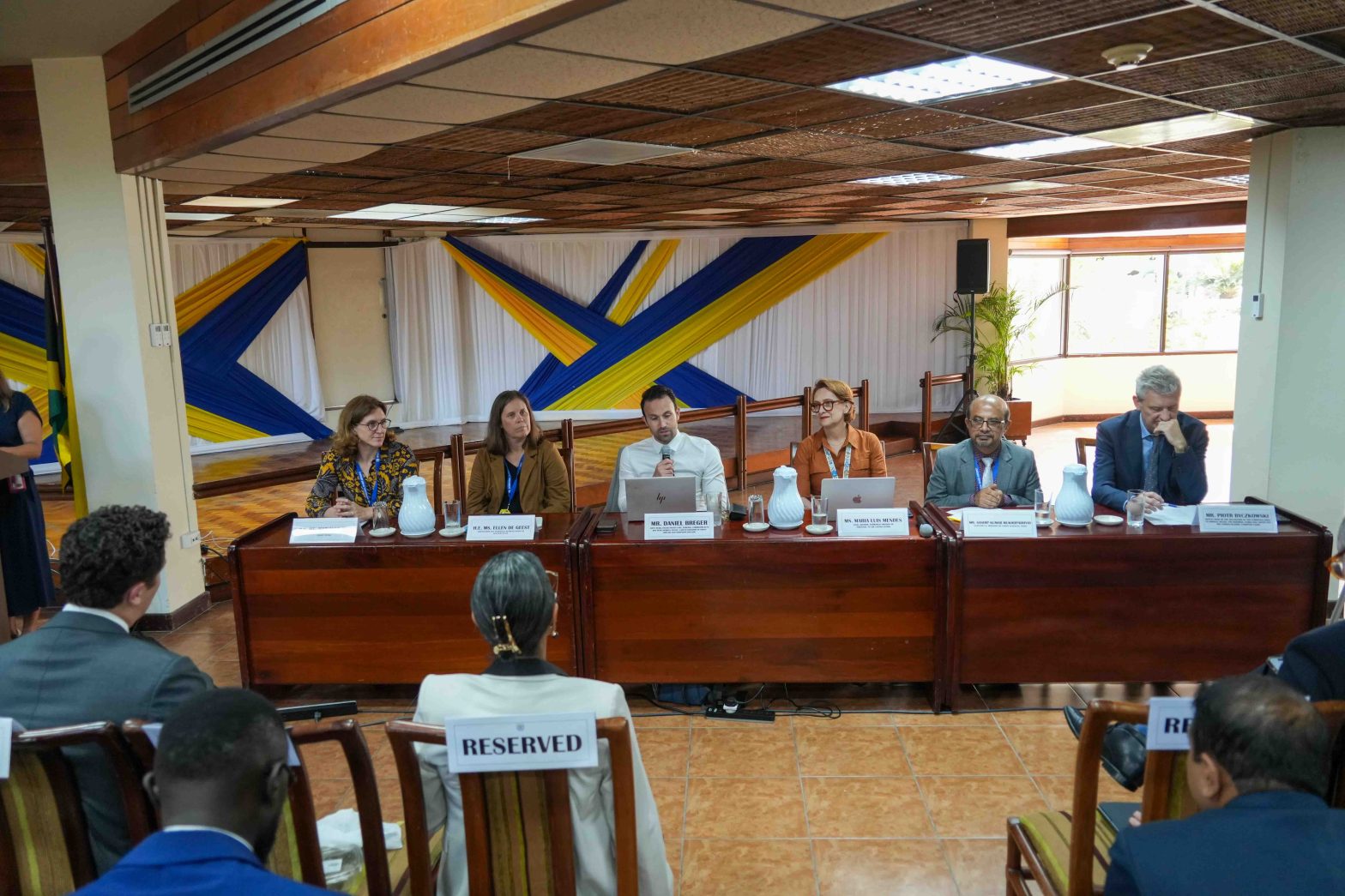
Side event highlights ADSEA´s impact on ocean governance in Africa
Kingston, Jamaica (29 July 2026) – The contribution of the International Seabed Authority’s African Academy for Deep Sea Diplomacy (ADSEA) to strengthening leadership in ocean governance across Africa was the focus of a side event during the margins of the 31st Session of the ISA Assembly.

ISA Launches Gender Compact to Advance Women’s Leadership at Sea
Kingston, Jamaica (27 July 2026) – The International Seabed Authority (ISA) marked a new chapter for its See Her Exceed (SHE) global mentorship programme by announcing three initiatives: the SHE Gender Compact, the SHE Law of the Sea, and the second phase of SHE Science.
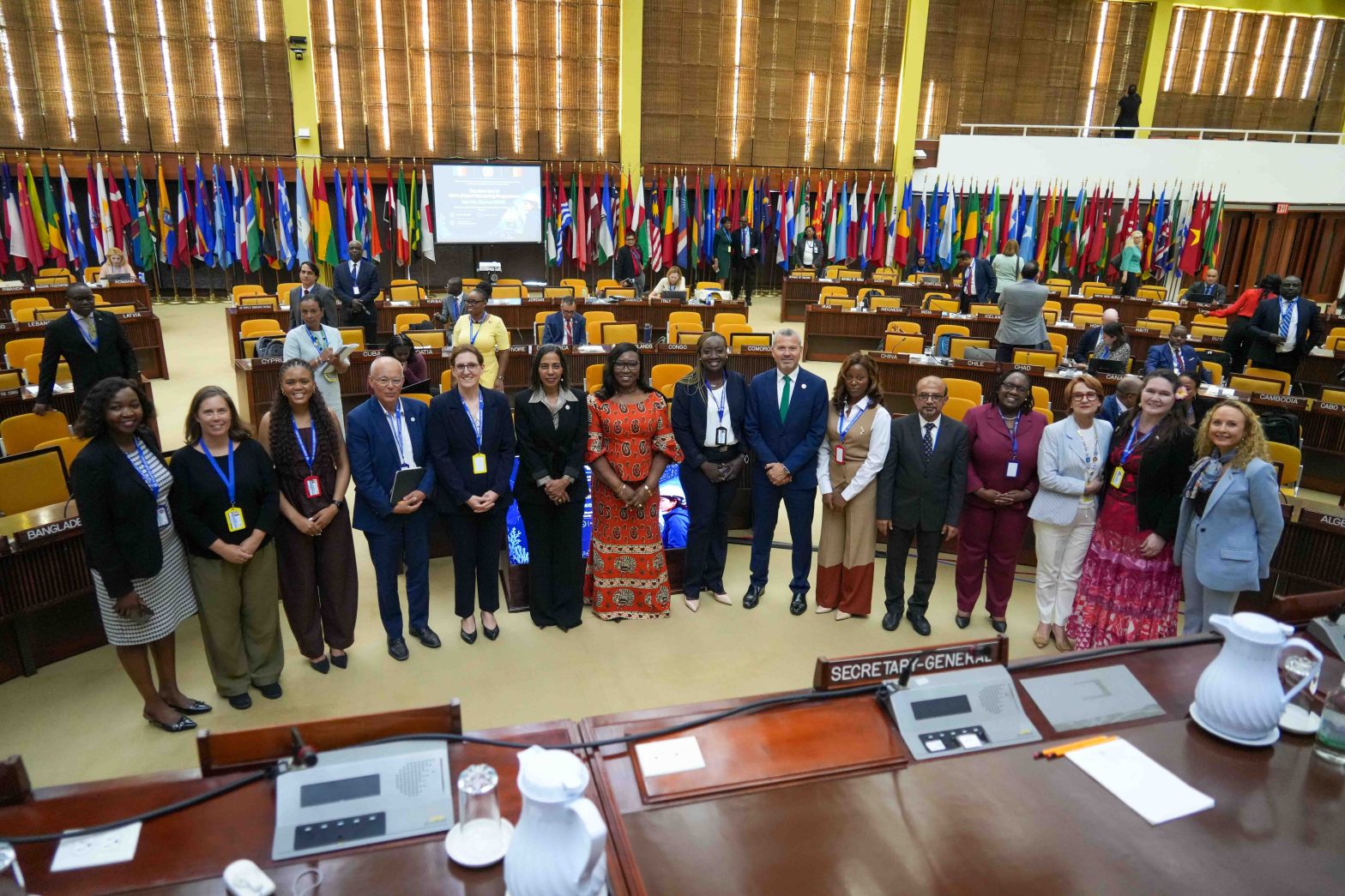
2nd edition of Deep Sea Dialogues explored science, economics and governance of the Area
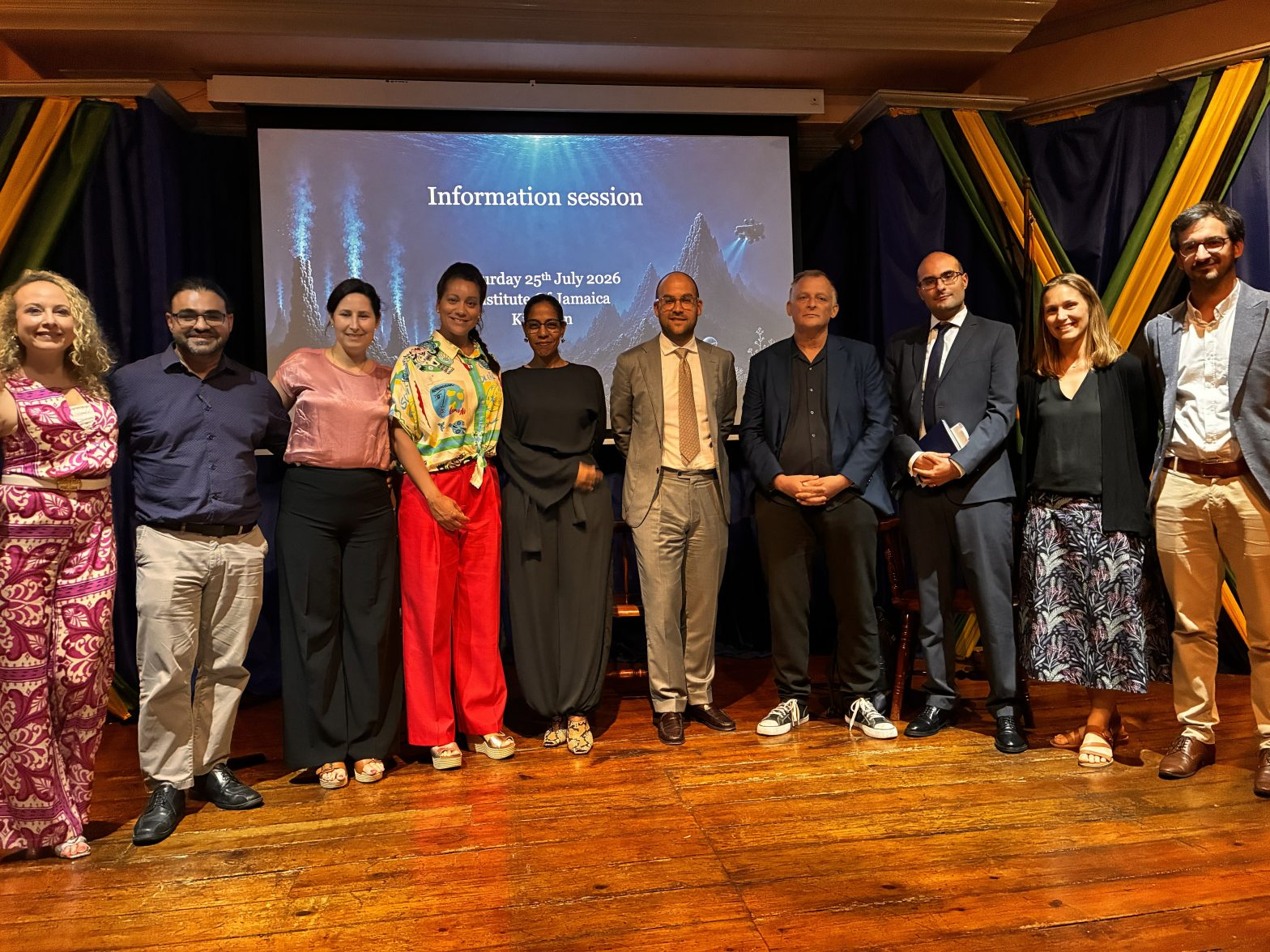
Kingston, Jamaica (25 July 2026) – The second edition of the Deep Sea Dialogues brought together experts, observers and civil society organizations for an afternoon of rich conversations at the Institute of Jamaica in Kingston.
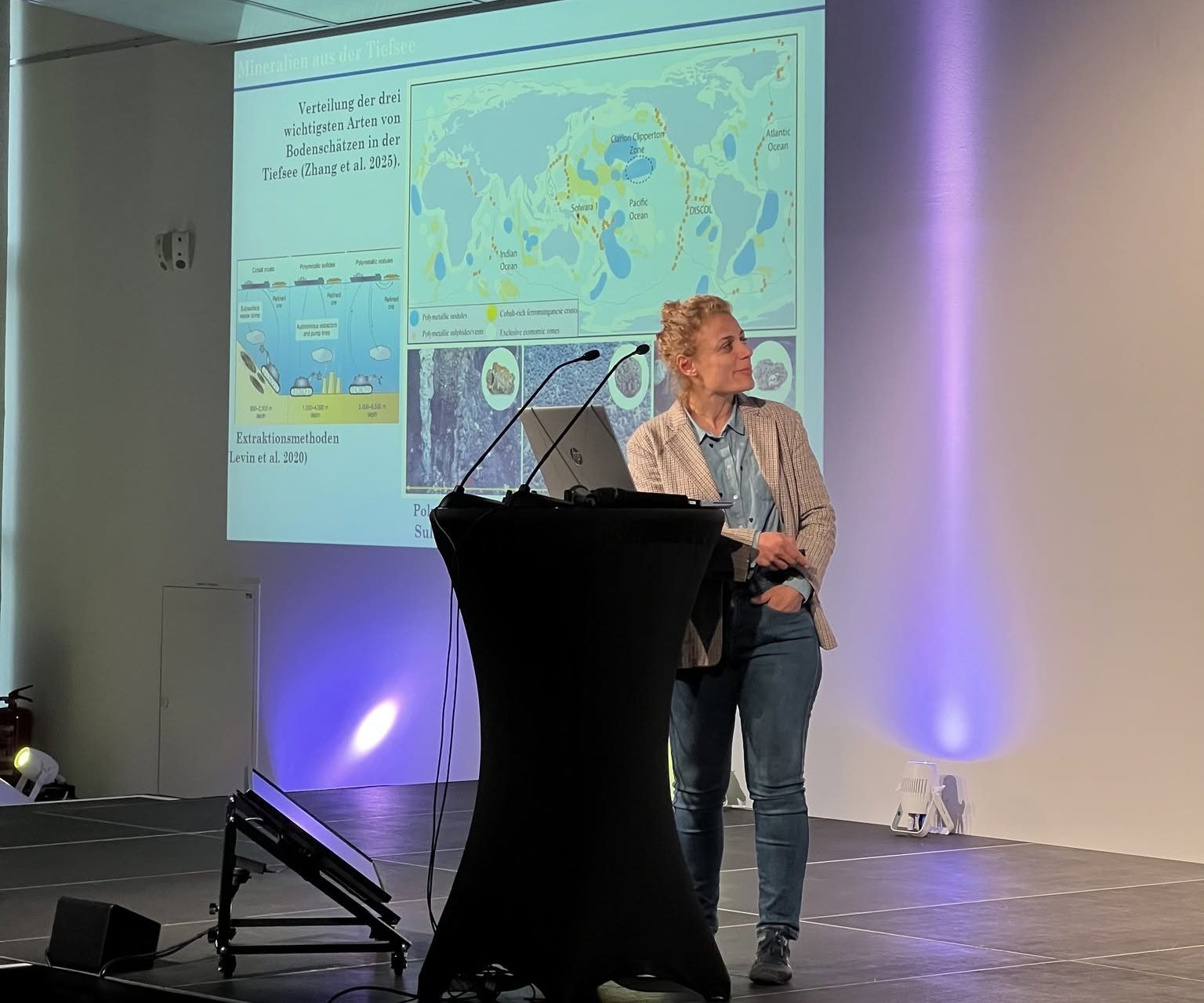
Acting Locally in the Pacific: How Discovering New Sea Star Species in the Clarion-Clipperton Zone Is Reshaping What We Know About Life on the Seafloor
Kingston, Jamaica – 8 June 2026 – This year, the International Day for Biological Diversity calls us to “act locally for global impact,” a principle that resonates deeply with the scientists working to document life in the most remote reaches of our oceans. In the deep seabed, where darkness, cold and crushing pressure define the environment, most species remain unknown to science. Identifying, naming and describing them, the work of taxonomists, is one of the most locally grounded acts in biology research which requires hands-on study of individual specimens from sparse sites. And yet its impact is unmistakably global. Named species can be tracked, protected and incorporated into the international frameworks that govern our shared ocean, including the Kunming-Montreal Global Biodiversity Framework (KMGBF), which sets ambitious targets to halt and reverse biodiversity loss by 2030. The work of the International Seabed Authority (ISA) also depends on this knowledge to fulfill its responsibilities under the United Nations Convention on the Law of the Sea – to regulate and control mineral-related activities in the international seabed Area while protecting the marine environment – and to ensure the sustainable development of deep-sea activities.
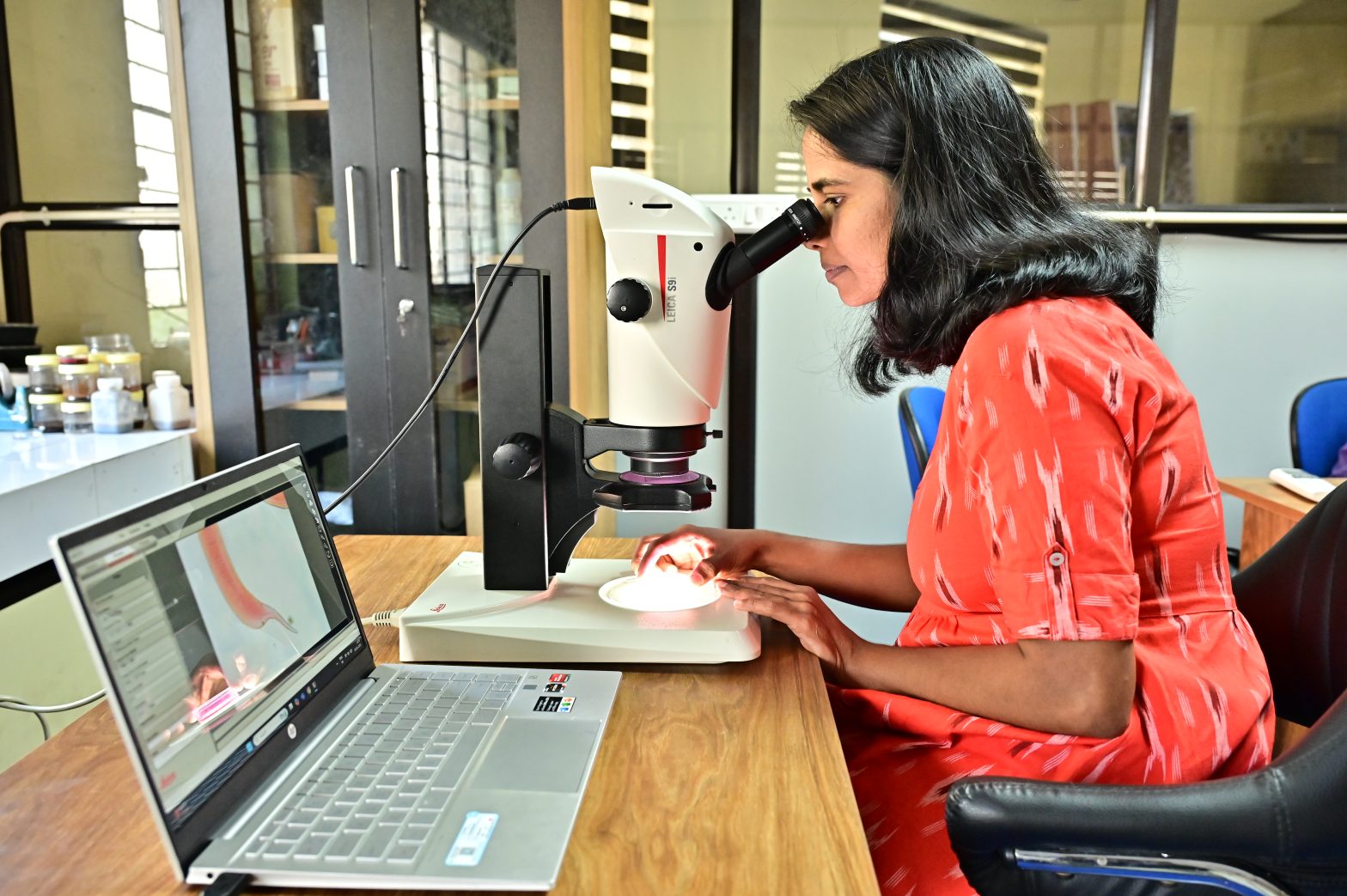
Hidden in the Mud: How Describing Microscopic Life in the Indian Ocean is Advancing Global Biodiversity Science
Kingston, Jamaica – 4 June 2026 – This year, the International Day for Biological Diversity calls us to “act locally for global impact,” a principle that resonates deeply with the scientists working to document life in the most remote reaches of our oceans. In the deep seabed, where darkness, cold and crushing pressure define the environment, most species remain unknown to science. Identifying, naming and describing them, the work of taxonomists, is one of the most locally grounded acts in biology research which requires hands-on study of individual specimens from sparse sites. And yet its impact is unmistakably global. Named species can be tracked, protected and incorporated into the international frameworks that govern our shared ocean, including the Kunming-Montreal Global Biodiversity Framework (KMGBF), which sets ambitious targets to halt and reverse biodiversity loss by 2030. The work of the International Seabed Authority (ISA) also depends on this knowledge to fulfill its responsibilities under the United Nations Convention on the Law of the Sea – to regulate and control mineral-related activities in the international seabed Area while protecting the marine environment – and to ensure the sustainable development of deep-sea activities.
Acting Locally in the Indian Ocean: How Describing 12 New Brittle Star Species Is Advancing Global Ocean Science and Governance
Kingston, Jamaica – 30 May 2026 – This year, the International Day for Biological Diversity calls us to “act locally for global impact,” a principle that resonates deeply with the scientists working to document life in the most remote reaches of our oceans. In the deep seabed, where darkness, cold and crushing pressure define the environment, most species remain unknown to science. Identifying, naming and describing them, the work of taxonomists, is one of the most locally grounded acts in biology research which requires hands-on study of individual specimens from sparse sites. And yet its impact is unmistakably global. Named species can be tracked, protected and incorporated into the international frameworks that govern our shared ocean, including the Kunming-Montreal Global Biodiversity Framework (KMGBF), which sets ambitious targets to halt and reverse biodiversity loss by 2030. The work of the International Seabed Authority (ISA) also depends on this knowledge to fulfill its responsibilities under the United Nations Convention on the Law of the Sea – to regulate and control mineral-related activities in the international seabed Area while protecting the marine environment – and to ensure the sustainable development of deep-sea activities.
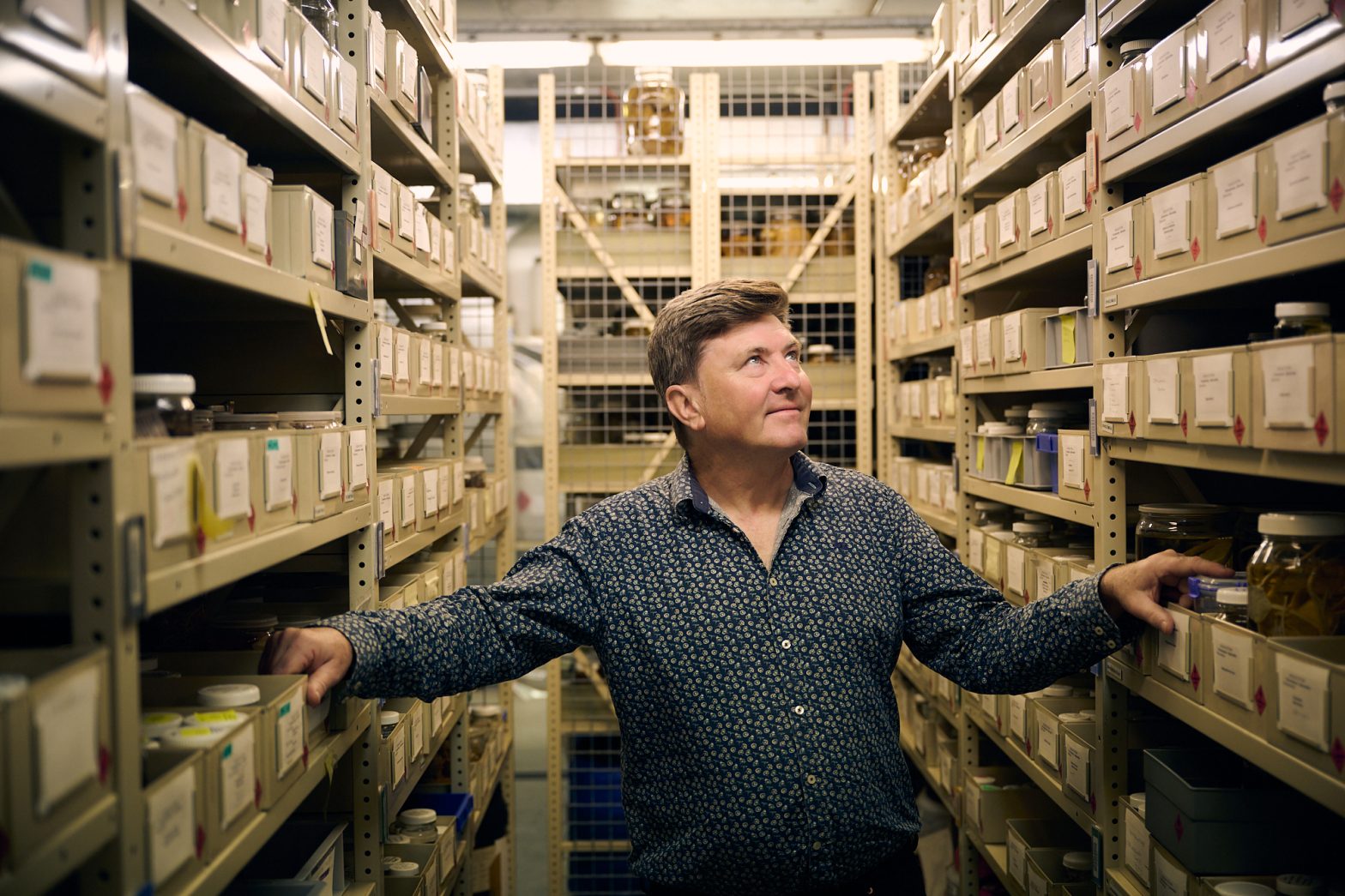
Acting Locally in the Abyss: How Describing 24 New Species in the Pacific Ocean is Helping Protect Our Oceans
Kingston, Jamaica – 29 May 2026 – This year, the International Day for Biological Diversity calls us to “act locally for global impact,” a principle that resonates deeply with the scientists working to document life in the most remote reaches of our oceans. In the deep seabed, where darkness, cold and crushing pressure define the environment, most species remain unknown to science. Identifying, naming and describing them, the work of taxonomists, is one of the most locally grounded acts in biology research which requires hands-on study of individual specimens from sparse sites. And yet its impact is unmistakably global. Named species can be tracked, protected and incorporated into the international frameworks that govern our shared ocean, including the Kunming-Montreal Global Biodiversity Framework (KMGBF), which sets ambitious targets to halt and reverse biodiversity loss by 2030. The work of the International Seabed Authority (ISA) also depends on this knowledge to fulfill its responsibilities under the United Nations Convention on the Law of the Sea – to regulate and control mineral-related activities in the international seabed Area while protecting the marine environment – and to ensure the sustainable development of deep-sea activities.
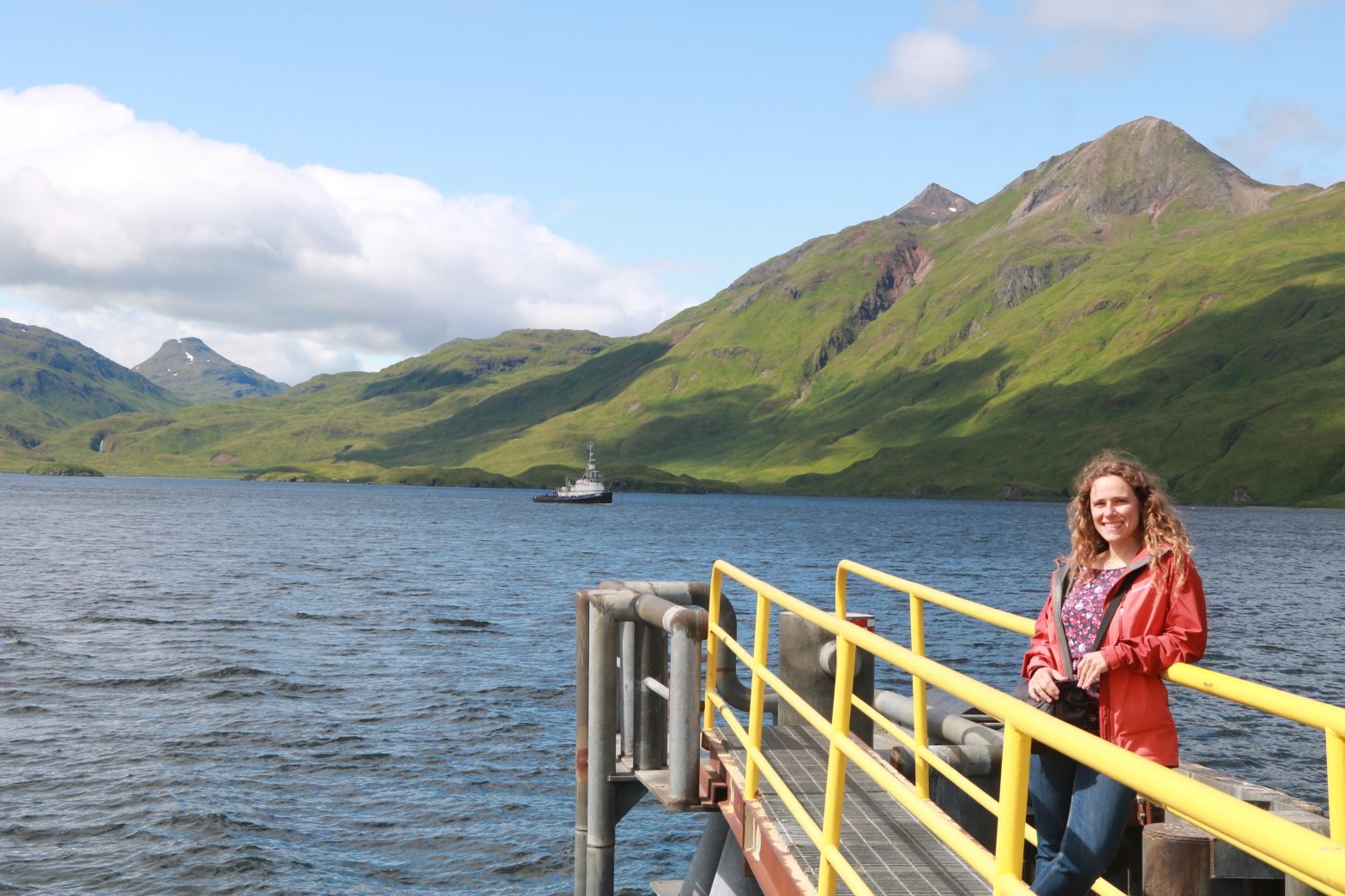
Acting Locally for Global Impact: Why Taxonomy Matters for Governing the Deep Seabed
Kingston, Jamaica – 22 May 2026 – This year, the International Day for Biological Diversity’s call to ‘act locally for global impact’ aligns directly with the International Seabed Authority’s Marine Scientific Research Action Plan, which seeks to advance scientific knowledge of deep-sea ecosystems, its biodiversity and ecological functions, and the potential impacts of exploration and exploitation activities. By studying specific (local) areas of the deep seabed, research findings can be standardized, shared, and applied at a global scale, from refining methodologies for biodiversity assessments, to building the scientific capacity of developing States, to informing the governance decisions that affect the entire international seabed area, which covers nearly 54% of the global ocean, and is called “the Area.”.